Unlock High Paying Remote Jobs with Coursera English Courses

Why Coursera English courses matter for career changers and remote sales support
Many people today are looking for new jobs, especially flexible remote roles like appointment setting or sales support.

To get these jobs, it’s really important to have strong English skills. This is especially true for talking to customers and clients clearly. Sometimes, even if you know English, you might need to make your professional communication skills even better to stand out in a job interview or succeed in your new role.
This is where Coursera English courses can make a big difference. Coursera is a well-known place for online learning in 2026, offering many different programs that can help you grow your skills for work or just for yourself
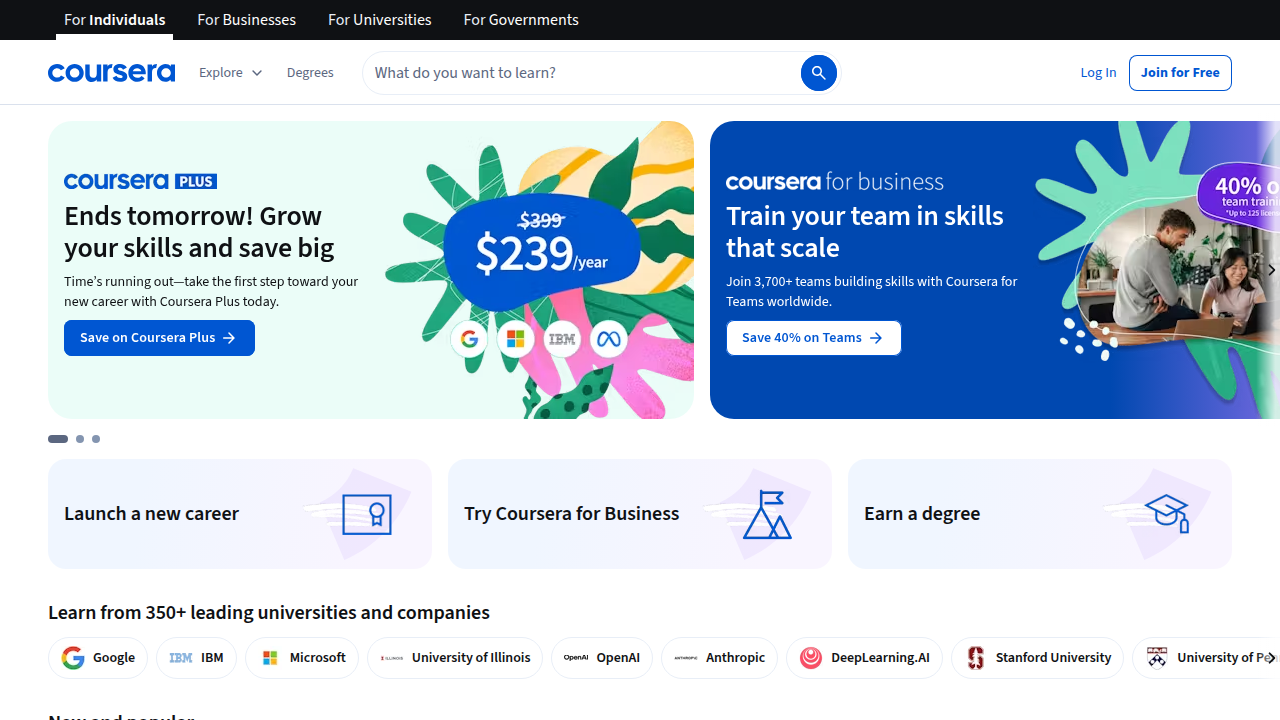
(Coursera, 2026). They have a wide variety of subjects, from computer science to business and health (Coursera, 2026).
This guide will help you understand what Coursera online courses offer, especially for those wanting to boost their English for professional roles. We’ll show you which Coursera courses are best for practical skills like talking on the phone or writing emails in sales support. You’ll learn how to choose the right course, how to pay for it, and how to use your new certificates to help your career grow. If you are looking to launch your remote tradeline sales appointment setter career or understand how door-to-door sales skills can lead to remote appointment setting, getting your English communication just right is a huge step. Many courses on Coursera can help with your personal development too, which is great for building confidence. If you’re serious about finding high-paying remote jobs, better English skills from online courses for professional development can really open doors.
To really make the most of Coursera English courses for your career goals, it helps to understand how they are put together. Coursera offers different kinds of learning paths, from quick classes to long programs that can get you ready for a new job. Knowing the difference helps you pick what’s best for you and what will look good to employers.
Main Ways to Learn: Courses, Specializations, and Professional Certificates
When you look at Coursera online courses, you’ll see a few main types. Each one offers a different level of learning and commitment.
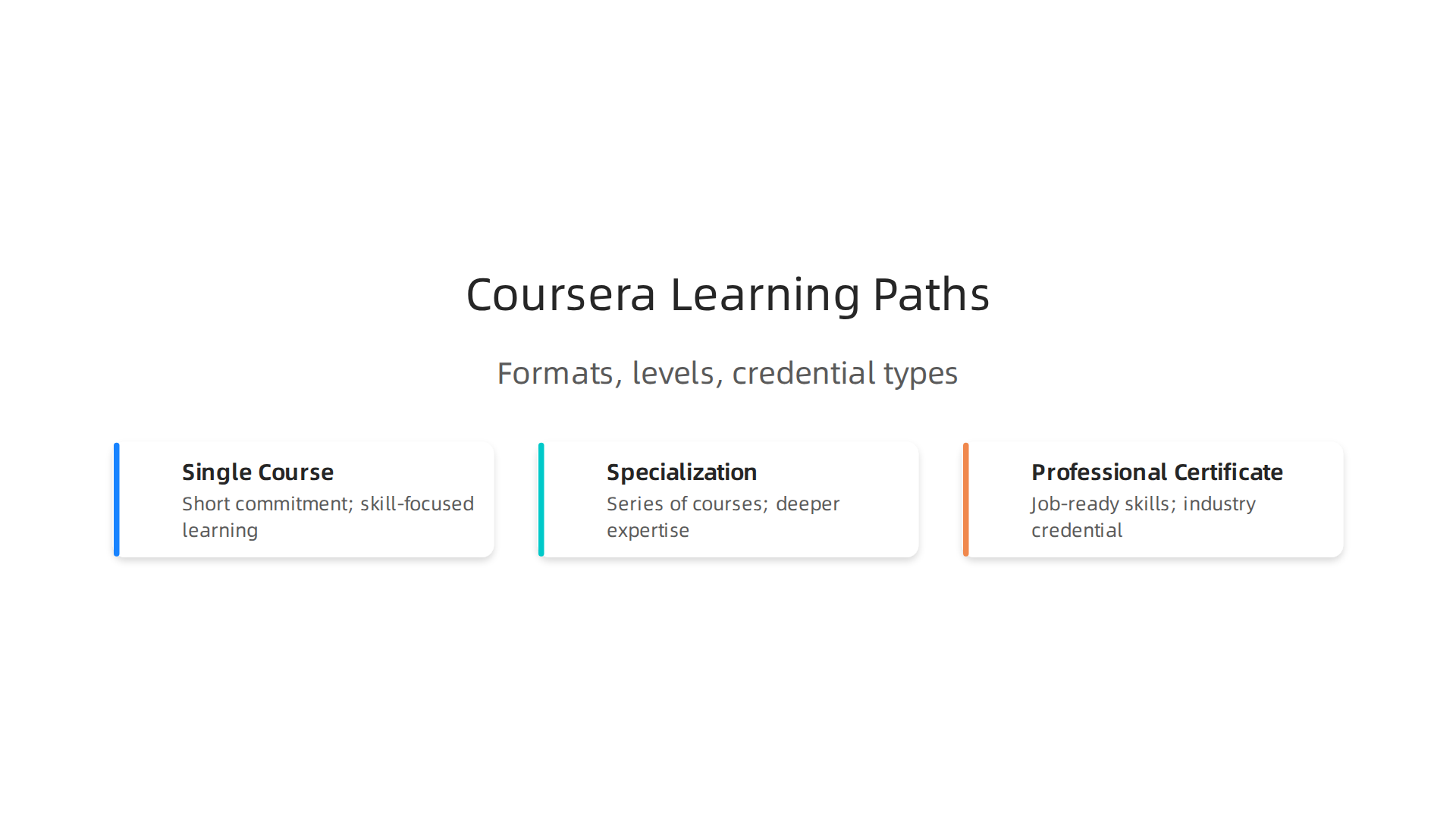
- Single Courses: These are individual classes that focus on one specific topic or skill. For example, you might find a course just on "Business Writing" or "Public Speaking in English." They usually take a few weeks to finish, depending on how much time you can spend each week. These are great for improving one specific part of your English skills or for a bit of personal development. You can find many subjects available through Coursera’s catalog online.
- Specializations: These are like mini-programs made up of several single courses, usually 3 to 5. They are designed to teach you a broader skill set. For example, an "English for Business Communication" specialization might have courses on writing emails, giving presentations, and negotiating. Finishing a Specialization shows you have a deeper understanding of a topic because you’ve completed multiple related courses.
- Professional Certificates: These are the most job-focused programs. They are often created by big companies like Google or IBM, or by top universities, to teach skills employers are looking for right now. These certificates are made to help you get ready for a specific job role. Coursera has been adding new Professional Certificates in 2026, especially in growing areas like AI and human skills, which include communication abilities. These programs can take a few months to a year to complete, asking for more time each week than a single course.
What Your Coursera Credentials Mean
After you finish a Coursera course or program, you can earn a special credential. This is like a badge that shows what you’ve learned.
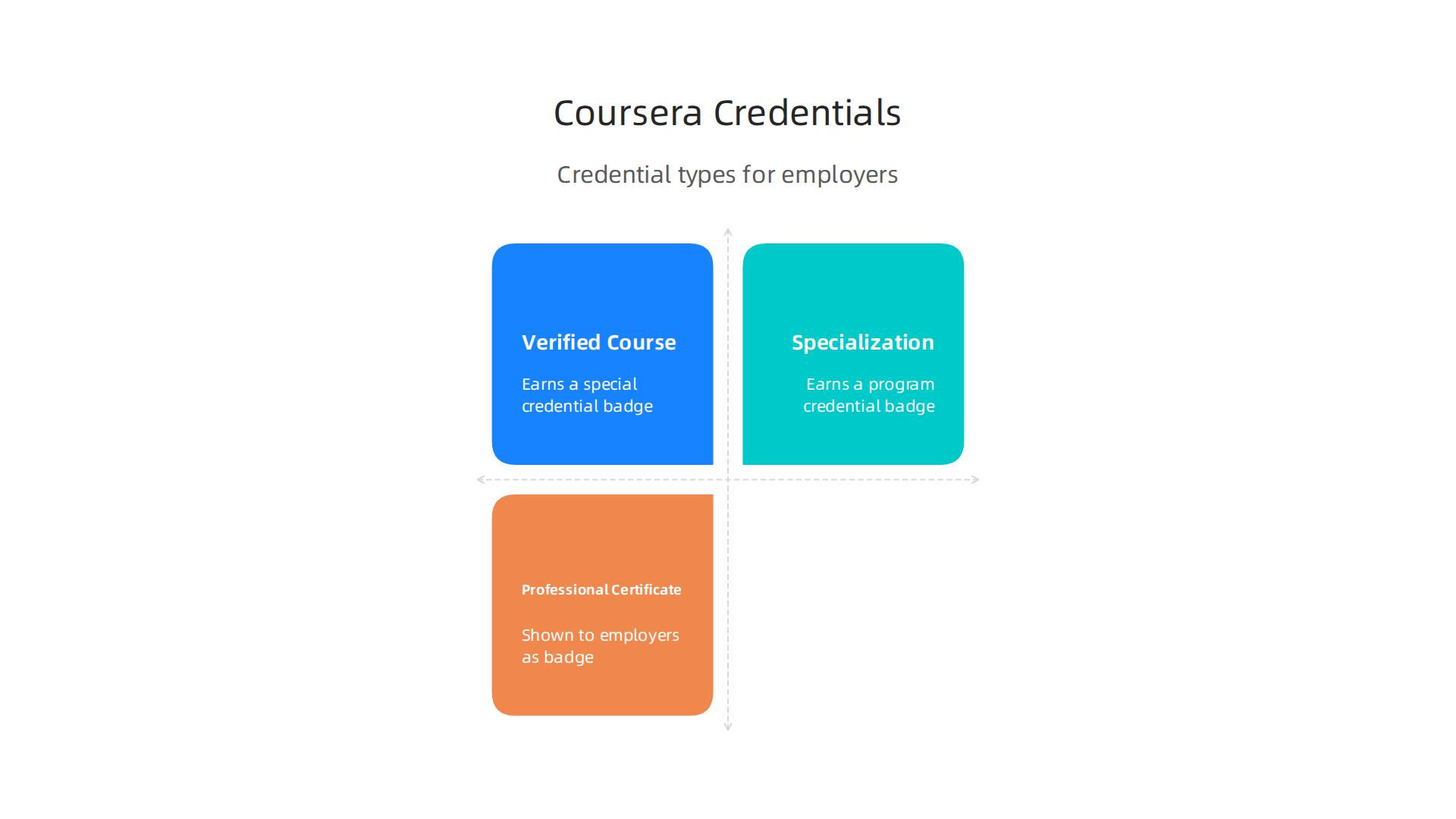
- Verified Course Certificates: When you finish a single course and pass all the quizzes and assignments, you get a verified certificate. This certificate has your name and the course details. It proves that you completed the course and understood the material.
- Specialization Completion Certificates: If you finish all the courses within a Specialization, you earn a certificate for the entire Specialization. This shows that you have gained a more complete set of skills in that area.
- Professional Certificates: These are highly valued by employers because they show you have job-ready skills for a specific role. Many people use these to start a new career or move up in their current one source. Getting one of these can really help you stand out when applying for roles, especially in competitive fields like remote sales support or appointment setting. They are proof of your dedication to professional development.
By understanding these different types of Coursera English courses and the certificates you can earn, you can choose the best path to reach your career goals and perhaps even help you to unlock high-paying remote jobs with the best appointment setter courses. Many people in 2026 are using these online courses for professional development to gain new skills and show employers what they can do source.
Who benefits most from Coursera English courses? The answer really depends on what you want to achieve! Many types of learners can find great value in Coursera English courses, especially in 2026, as the need for good communication skills in the global workplace keeps growing. Let’s see who gets the most out of these online classes.
For Job Seekers and Career Changers
If you are looking for a new job or want to switch careers, improving your English is a smart move. Many roles, especially remote ones, need strong English skills.
- Beginners and those needing basics: If English is not your first language, Coursera has many ESL (English as a Second Language) courses. These can help you learn grammar rules, build your vocabulary, and practice speaking so you can have good conversations 1. Courses on English grammar can teach you how to build sentences correctly and use the right verb tenses 2. These are perfect online courses for personal development that lead to career growth.
- Those aiming for specific roles: If you want a job where you need to write reports or give presentations, academic English courses can teach you how to write well and read carefully 3. Professional Certificates on Coursera, especially, can give you job-ready English skills that employers look for.
For Sales Professionals and Remote Workers
In today’s remote work world, good English communication is key for sales professionals and many other remote roles.
- Sales professionals: Talking clearly, listening well, and telling good stories are super important in sales. Coursera English courses focused on speaking and conversation can help you expand your vocabulary and speak more effectively 4. This helps you connect better with clients and close deals, especially when you are trying to find appointments for sales.
- Remote workers: If you work from home, you often communicate through emails, video calls, and written messages. Advanced English courses can teach you complex grammar and writing techniques to make your messages clear and professional 5. There are also courses specifically for English writing that help you craft good emails and reports 6. Strong English skills can help you succeed in many remote positions, including high-paying ones. Many people find that online courses for professional development give them the edge they need to get hired.
When Coursera Might Not Be Enough
While Coursera online courses are fantastic for learning, some people might need extra help. If you need very fast progress, a lot of one-on-one speaking practice, or help with very specific and technical language for a niche job, you might also need a personal tutor or a live coaching program. Coursera gives you a strong foundation, but for truly advanced, real-time conversational fluency or highly specialized communication, sometimes a blend of learning methods works best.
Overall, whether you’re starting fresh, aiming for a new career, or boosting your current remote role, Coursera English courses offer a wide range of learning paths. They can help you get the communication skills you need to open new doors. To learn more about how strong communication skills can help you in remote sales, you can explore resources that help you to unlock high-paying remote jobs with the best appointment setter courses.
Becoming a successful appointment setter means you need a special mix of language and people skills. In 2026, with so much communication happening online or over the phone, these skills are more important than ever. Let’s look at what matters most and how Coursera English courses can help you shine.
Essential Skills for Appointment Setting
Think about what you do as an appointment setter. You are reaching out to people, often strangers, to get them interested in a product or service and book a meeting. This takes specific talents:
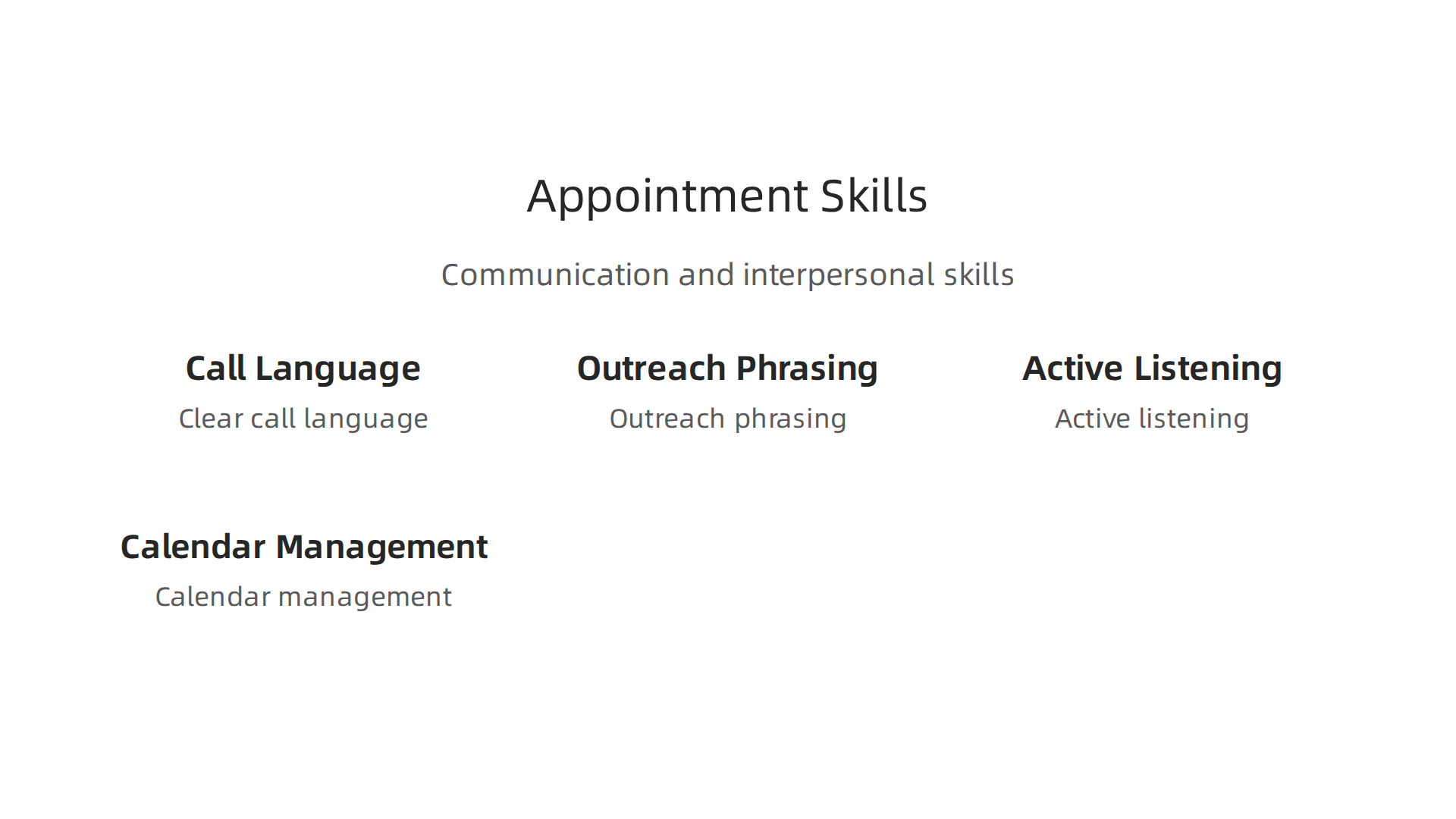
- Clear Phone and Virtual Call Language: When you talk on the phone or in a video call, your voice needs to be easy to understand. Good pronunciation and a clear speaking style are key. You also need to ask smart questions and respond quickly and smoothly.
- Effective Cold Outreach Phrasing: Whether it’s an email, a message, or a quick phone introduction, your words must be clear and convincing. You need to grab attention fast and explain your purpose simply. This means choosing the right words and putting sentences together well.
- Active Listening: This is more than just hearing words. It means truly understanding what the other person needs or worries about. You listen carefully to what they say and sometimes what they don’t say. This helps you know how to help them best.
- Calendar Management Language: When it’s time to book a meeting, you need to be very clear about dates, times, and how the meeting will happen. Being polite and professional when confirming or changing appointments is also important.
How Coursera English Courses Can Help You Master These Skills
Many Coursera English courses are designed to build the exact communication skills that appointment setters need. They are great online courses for professional development that can truly make a difference.
- For Clear Speaking and Pronunciation: If you want to sound confident and clear on calls, courses focused on English speaking or ESL (English as a Second Language) are very helpful.

They teach you pronunciation and how to expand your vocabulary so you can have good conversations 1. You’ll learn to speak more effectively, which is vital for phone and virtual calls 2.
- For Crafting Strong Outreach Messages: Writing clear and persuasive emails or messages is a big part of cold outreach. Coursera online courses on English writing can teach you how to put together sentences that make sense and sound professional 3. Academic English courses also help you learn effective writing techniques and advanced grammar for clear communication 4.
- For Improving Conversational and Listening Skills: To be a great active listener, you first need to understand spoken English well. English conversation courses help you practice everyday vocabulary and improve your listening skills, which leads to more effective speaking 5. These online courses for personal development can truly boost your confidence in talking with others.
- For Professionalism and Nuance: Advanced English courses can teach you more complex grammar and a wider range of words to make your communication sound very professional 6. This helps you handle tricky situations and manage scheduling conversations with ease.
By focusing on these areas through Coursera English courses, you can build a strong foundation for a successful career in appointment setting. You’ll not only improve your language skills but also gain the confidence needed to engage clients and secure those important meetings. Many of the skills from traditional sales roles, like those in door-to-door sales, can be adapted and refined with better communication for remote appointment setting careers. To learn more about how those fundamental skills translate, consider exploring how door-to-door sales skills lead to a remote appointment setting career.
Now that we know why Coursera English courses are so important for appointment setters, let’s look at the best ones and how you can choose the right path for you. Coursera offers many different online courses for professional development, so picking the right ones can really boost your career.
Choosing the Right Coursera English Courses for Your Career
When you’re looking at Coursera online courses, you’ll see different types. Some are quick, while others are longer programs. Your choice depends on what you need right now and where you want to go.
Course Types: Quick Boost or Long-Term Growth
- Short Skill Courses: These are usually single courses that focus on a specific skill, like improving your pronunciation or writing better emails. They are great if you need to quickly brush up on one area. You might finish one in a few weeks. These can give you a fast push toward getting a new job or improving your current one.
- Professional Certificates and Specializations: These are collections of several courses that build on each other. They offer a much deeper dive into a subject, often backed by universities. For example, a "Specialization" can teach you many skills for a specific job, and it might come with a certificate when you finish. These are fantastic for building strong, long-lasting skills and show future employers you’re serious about learning. Many top online English courses for 2026 offer these kinds of certifications 1.
How to Pick Your Learning Path
To choose the best Coursera English courses, think about these things:
-
Your Starting Level:
- Beginner: If you’re new to English or feel a bit unsure, start with general English speaking and listening courses. These build a strong foundation.
- Intermediate: If you understand English well but want to sound more professional, look for courses on business English speaking, writing, and communication strategies 2.
- Advanced: If you’re already good and want to perfect your language for high-level roles, advanced grammar and specialized business communication courses can help you learn negotiation and presentation skills 3.
-
Your Desired Role or Focus:
- General Appointment Setting: Focus on clear speaking, active listening, and basic professional writing.
- Remote Sales Support: You’ll need strong business English, persuasive writing for emails, and clear pronunciation for calls 4. Business English specializations are often recommended for this kind of work 5.
- Specialized Communication: If you know you’ll be writing many reports or proposals, specific business writing courses can be very useful 6.
-
Your Timeline and Budget:
- Fast Learning: Choose short courses if you need to learn quickly.
- Deep Learning: Go for a Professional Certificate or Specialization if you have more time. Many Coursera online courses let you audit for free to see if you like them, or you can pay for the full experience and a certificate.
Top Coursera Recommendations for Appointment Setters
Many Coursera English courses can help you become a great appointment setter. Here are a few types to consider in 2026:
- For Clear Professional Speaking: Look for courses on English speaking and pronunciation. Programs like the "Business English Communication Skills Specialization" often include targeted training for better pronunciation in work settings 7. This helps you sound confident and easy to understand on the phone 8.
- For Strong Business Writing: Check out courses that teach business writing. They help you learn how to write professional emails, develop proposals, and create content that gets people’s attention 9.
- For Overall Business Communication: The "Business English Communication Skills Specialization" from the University of Washington is a popular choice for improving your English in many work situations
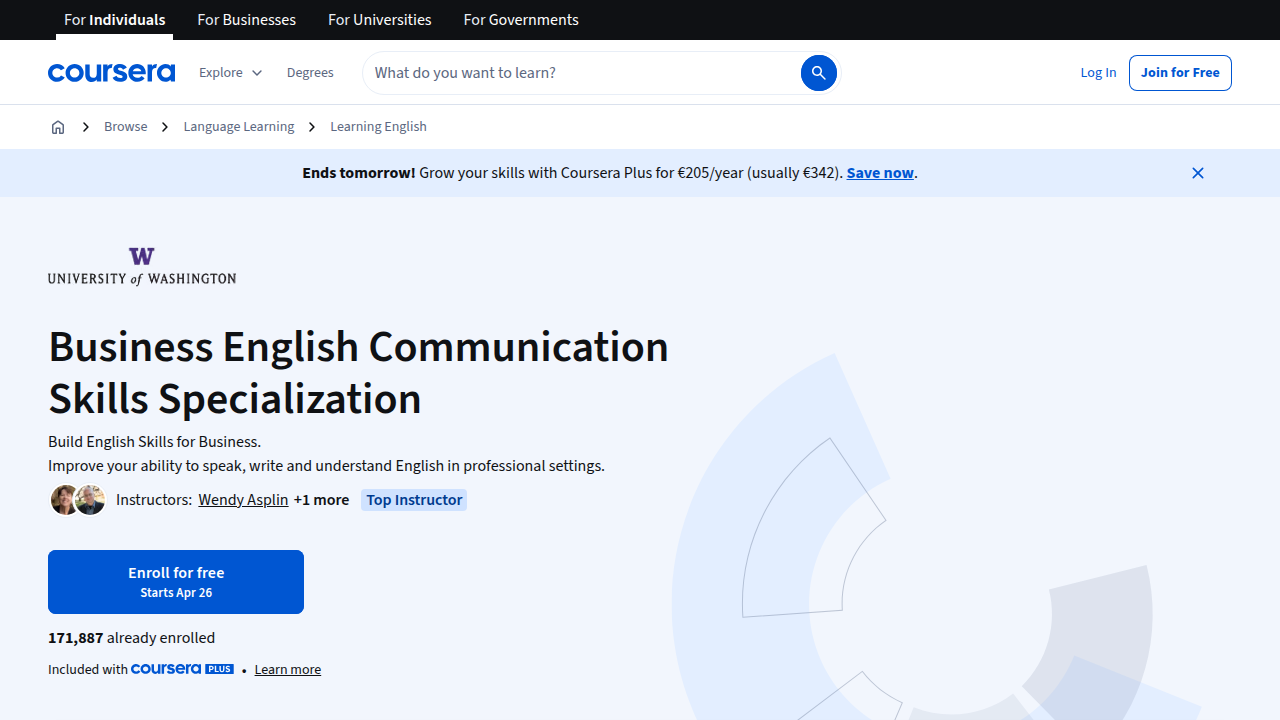
10. It helps you grow your vocabulary and speak more smoothly.
By picking the right Coursera courses, you’re not just learning English; you’re building a valuable skill set for a successful career. These online courses for personal development really do make a difference. If you’re also wondering about other ways to get ahead, you might find useful information in our guide on how to unlock high-paying remote jobs with the best appointment setter courses.
Do Coursera Certificates Help You Get Hired or Earn More? What the Evidence Says
After choosing the right Coursera English courses, you might wonder if getting a certificate really makes a difference. It’s a good question! In 2026, many people are looking at online learning to boost their careers. So, do these certificates help you get hired or earn more money? Let’s talk about it.
What Employers Think of Coursera Certificates
The truth is, how much employers value Coursera certificates can vary. They are usually not the same as a college degree. However, many companies today see online learning as a big plus, especially for specific skills. A certificate from a well-known platform like Coursera shows a few important things:
- You’re Eager to Learn: It tells employers you like to learn new things and are willing to put in the effort to improve your skills.
- You Have Specific Skills: Professional Certificates, in particular, are designed to teach job-ready skills. Coursera reports that enrollments in these certificates have grown a lot, showing they are becoming more popular and recognized for helping people get jobs with important skills for 2026 1.
- Proof of Effort: Completing a course and earning a certificate shows you can stick with a goal and finish what you start. This is a very good quality for any job.
For roles like appointment setting, where practical communication and organization skills are key, a certificate in business English or communication can be very valuable. It tells a hiring manager you’ve specifically worked on the skills they need.
Can Certificates Lead to More Pay?
While a certificate itself doesn’t guarantee a huge raise, it can open doors to higher-paying opportunities. Here’s how:
- New Skills for High-Demand Jobs: Coursera offers courses that teach "high-income skills" which are abilities employers really want because they help a business grow 2.
- Standing Out from the Crowd: In competitive job markets, having a certificate can make your application shine. It shows you’ve gone above and beyond to prepare.
- Better Job Roles: By gaining new skills through Coursera online courses, you might qualify for roles that pay more because they require more specialized knowledge. Some certifications are known to be quite valuable in the job market, depending on the field 3.
For appointment setters, improving your English with Coursera English courses means you can communicate better with clients, handle more complex situations, and potentially get jobs with higher commissions or better base pay.
How to Show Your Coursera Certificates on Your Resume
Just earning the certificate isn’t enough; you need to show it off the right way.
- On Your Resume: Create a special section called "Certifications" or "Professional Development." List the certificate name, the learning platform (Coursera), and the institution that offered the course (like a university). Also, add a short line about the key skills you gained, especially how they relate to the job you want.
- On LinkedIn: Add your certificates to your LinkedIn profile. This makes your skills visible to recruiters. You can even share what you learned in a post or link to your certificate.
- During Interviews: Be ready to talk about what you learned and how it will help you in the job. Don’t just say you completed a course; explain how it made you better at something important for the role.
By clearly showing the skills you learned from your Coursera courses, you make it easy for hiring managers to see your value.

If you’re ready to learn more about landing great jobs, our guide on how to unlock high-paying remote jobs with the best appointment setter courses can provide even more helpful tips.
How to enroll, audit, and minimize cost: Coursera pricing, financial aid, and subscription options
Once you know that Coursera certificates can help you, the next step is figuring out how to get started without spending too much money. It’s helpful to know about all the ways to enroll in Coursera English courses and other online courses for professional development, and how to save money while you learn in 2026.
Different Ways to Join Coursera Courses
Coursera offers a few main ways to take their online courses:
- Auditing a Course: This is a great option if you just want to learn for free. When you "audit" a course, you can usually watch the video lessons and read most of the course materials. The catch? You won’t get a certificate, and you often can’t do the graded homework or get feedback on your work. It’s perfect for exploring a topic like advanced English grammar or business English without paying anything upfront 1.
- Paying for a Single Course or Certificate: If you want that official certificate to show employers, you’ll need to pay. For a single course, this might be around $100 2. This payment usually gives you full access to all materials, graded assignments, and the certificate once you finish. You can often pay with a credit card or PayPal 3.
- Coursera Plus Subscription: For many learners, especially those planning to take several Coursera courses or even a whole Professional Certificate program, Coursera Plus is a smart choice. With Coursera Plus, you pay one fee every month or year to get unlimited access to over 90% of the courses, projects, Specializations, and Professional Certificates
4. This can save you a lot of money compared to paying for each course separately, and many people find it’s worth it in 2026 5.
Generally, when you pay for a course or have a Coursera Plus subscription, you get access to the course materials for as long as they are available on the platform.
How to Learn for Less (or Even Free!)
Learning new skills for personal development doesn’t always have to be expensive. Coursera makes it possible to reduce costs or even learn for free:
- Financial Aid: If you can’t afford the cost of a certificate, Coursera offers financial aid. You can apply for it on most courses and Specializations. This often means you explain why you need help and how the course will benefit your career goals. If approved, you can get the full paid course experience and certificate without the fee.
- Free Courses: While not all Coursera courses are free with certificates, there are ways to find some that are free or offer free limited-time access 6. Sometimes universities or companies offer free versions of their Coursera content. Keep an eye out for these opportunities.
Choosing the right enrollment option means you can get the skills you need for your career goals, whether that’s improving your communication skills with coursera english courses or learning new tech abilities. If you’re looking for more ways to advance your career, especially in remote roles, consider exploring how to unlock high-paying remote jobs with the best appointment setter courses.
A 90-day learning path: from beginner to interview-ready with Coursera plus practice tools
Once you’ve decided that Coursera can help you learn new skills, like better English communication, you might wonder, "Where do I start?" This 90-day plan will show you a clear path using Coursera English courses to get you ready for job interviews.
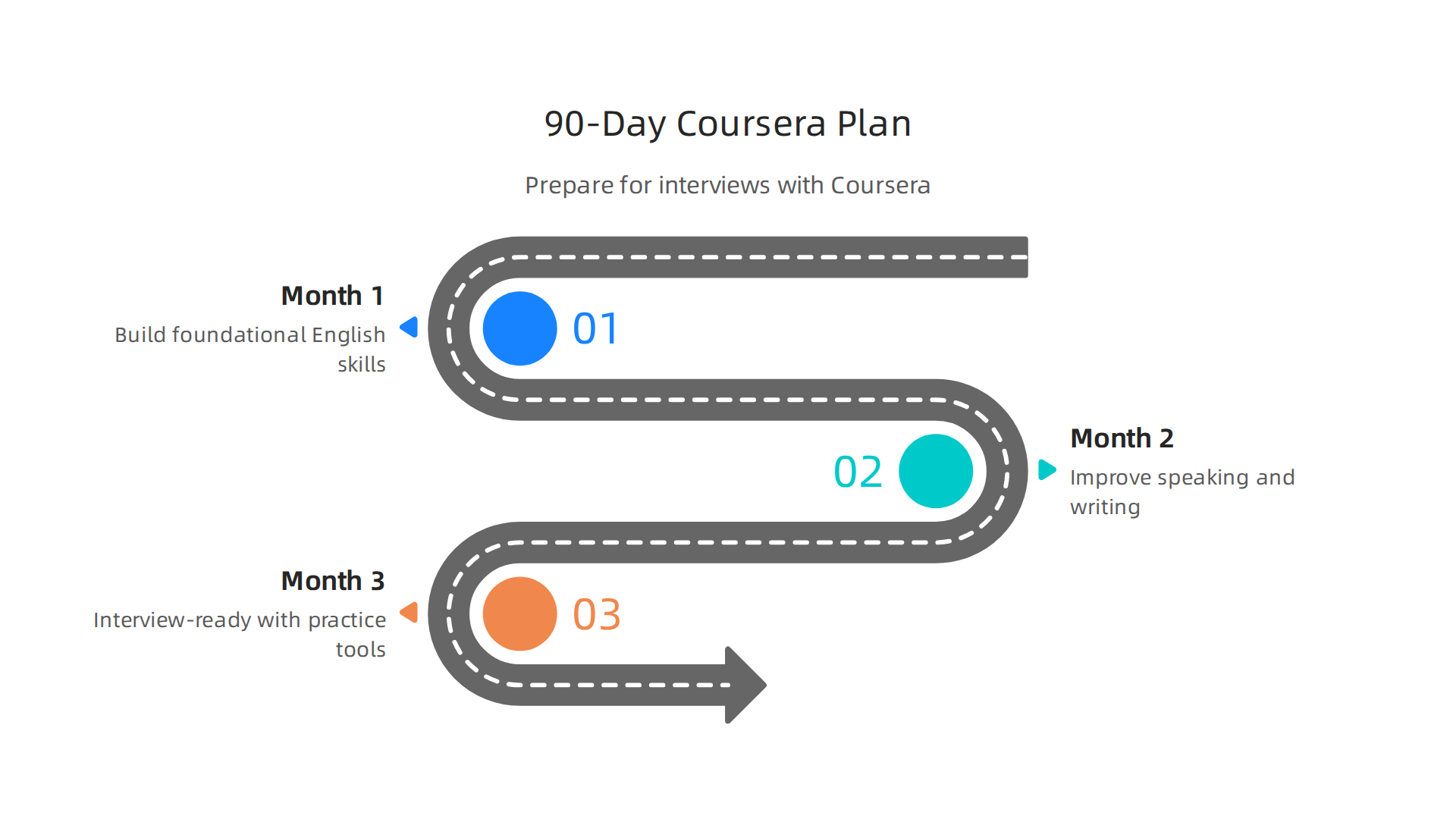
It’s a great way to use online courses for professional development and personal growth in 2026.
Month 1: Build a Strong English Base (Weeks 1-4)
The first month is all about getting your basic business English skills solid.
- Your Goal: Understand how business English works in everyday situations.
- Coursera Focus: Start with foundational Coursera online courses that teach general business English. A good pick is the "Business English Communication Skills Specialization" from the University of Washington 1. These kinds of Coursera courses help you expand your English vocabulary and improve your professional communication 2. You can find many valuable business English courses on Coursera 3.
- Weekly Tasks: Watch all video lessons, read the materials, and complete any simple assignments. Focus on learning new words and phrases used in business settings.
- Practice Activities: Try speaking simple sentences you’ve learned. Write short, simple emails to yourself using new vocabulary.
- Checkpoints: By the end of this month, you should be able to introduce yourself and talk about your job in basic English. Review your new vocabulary words.
Month 2: Improve Your Speaking and Writing (Weeks 5-8)
Now it’s time to make your English sound clearer and your writing more professional.
- Your Goal: Speak with better pronunciation and write clear business messages.
- Coursera Focus: Look for Coursera English courses that focus on pronunciation and speaking skills 4. These can help with clear speaking and expanding your vocabulary 5. Also, take business writing courses to learn how to craft good emails and reports 6.
- Weekly Tasks: Practice saying new words and sentences out loud. Learn the rules for writing good business emails, reports, and proposals.
- Practice Activities:
- Mock Calls: Record yourself speaking, pretending you’re on a call. Listen back to hear where you can improve your pronunciation and flow. You can use your phone’s voice recorder or free online tools for this.
- Cold Email Templates: Practice writing different types of cold emails that you might send in a job like appointment setting. This helps you get used to writing clearly and persuasively.
- Checkpoints: Record a short, clear speech about a business topic. Write a complete business email without many mistakes.
Month 3: Get Ready for Interviews and Build Your Portfolio (Weeks 9-12)
The last month is all about getting you ready to impress in interviews and show off your new skills.
- Your Goal: Be confident in interviews and have examples of your English communication skills.
- Coursera Focus: Take Coursera courses that teach business communication. These online courses for professional development can cover important skills like how to talk effectively, how to negotiate, and how to give good presentations 7.
- Weekly Tasks: Learn how to present your ideas clearly and answer tough questions. Understand how to talk about your skills and experiences in a positive way.
- Practice Activities:
- Interview Simulations: Practice answering common interview questions out loud. Ask a friend to pretend to interview you.
- Portfolio Building: Gather the best emails you’ve written, summaries of projects, or short speeches you’ve practiced from your Coursera online courses. This collection becomes your "outreach examples" portfolio. It shows what you can do.
- Checkpoints: Perform a full mock interview. Make sure your portfolio is ready to share.
Useful Tools and Resources for Practice
To help you along this 90-day journey, here are some tools:
- For Spoken English Practice:
- Language Exchange Apps: Apps like HelloTalk or Tandem let you chat with people who are native English speakers. You can help them with your language and they can help you with English.
- Online Language Platforms: Services like Promova also offer resources for learning and practicing Business English 8.
- Your Phone’s Recorder: Simply record yourself speaking and listen back to improve.
- For Interview Scheduling: Use free online calendar tools like Google Calendar to keep track of practice sessions or mock interviews.
- For Building a Portfolio: A simple Google Drive folder or a personal webpage can host your best writing and speaking examples.
By following this plan with your Coursera English courses and putting in the practice, you’ll be well on your way to speaking confidently and landing that interview. For those looking to excel in sales support roles, understanding effective outreach is key. Consider exploring The Appointment Setter’s Guide: Ditch Useless Websites and Book More Meetings to sharpen your skills even further.
Summary
This article explains how Coursera English courses can help career changers and remote sales support professionals—especially appointment setters—build the clear speaking, writing, and listening skills employers want. It defines Coursera’s main learning paths (single courses, Specializations, and Professional Certificates), explains what each credential means to hiring managers, and shows which course types best target phone calls, cold outreach, and calendar management. You’ll find guidance on choosing the right level (beginner, intermediate, advanced), practical course recommendations for business speaking and writing, and a 90‑day learning plan with concrete practice activities. The guide also covers enrollment options, cost-saving strategies (audit, financial aid, Coursera Plus), and how to present certificates on resumes and LinkedIn. Finally, it notes when you might need extra one‑on‑one coaching and points to related appointment‑setting resources to accelerate hiring outcomes.

Master Web Development Tools to Get Hired in 2026

Python for Data Science Your Career Path to Get Hired in 2026