
Become a Sales Operations Analyst Without Cold Calls in 2026

Introduction: Your First Step Toward a Rewarding Sales Support Career
Do you want a career in sales but hate the idea of making cold calls all day? You are not alone. Many people want the stable income of a sales role without the high-pressure environment. The good news? There is a better path.
The sales operations analyst role is one of the best entry points into a structured sales career. Instead of chasing clients, you work behind the scenes. You study data, fix broken processes, and help the sales team perform better. In fact, this role is all about supporting the sales team through data analysis and smooth operations.
If you already work as an appointment setter, this is a natural next step. You already understand how to qualify leads and manage a sales funnel. Now imagine using those skills to improve an entire sales team. To see exactly which skills prepare you best, look at our 2026 framework for remote appointment setting success.
The 2026 job market is full of opportunities for this role. Companies are actively searching for people who can organize and analyze their sales data. And the sales operations salary reflects that demand. Companies love sales operations analysts who can find areas for improvement and make smart recommendations.
This guide will walk you through everything you need to know to land your first sales analyst role in 2026. Let us get started.
What Is a Sales Operations Analyst?
A sales operations analyst is the person who makes the sales team run better without ever making a cold call. Instead of prospecting, they dig into data, fix broken workflows, and help reps spend more time selling.

Think of them as the behind-the-scenes engine that powers the whole sales machine.
Their core responsibilities fall into a few key areas: data analysis and reporting, process improvement, and sales forecasting.
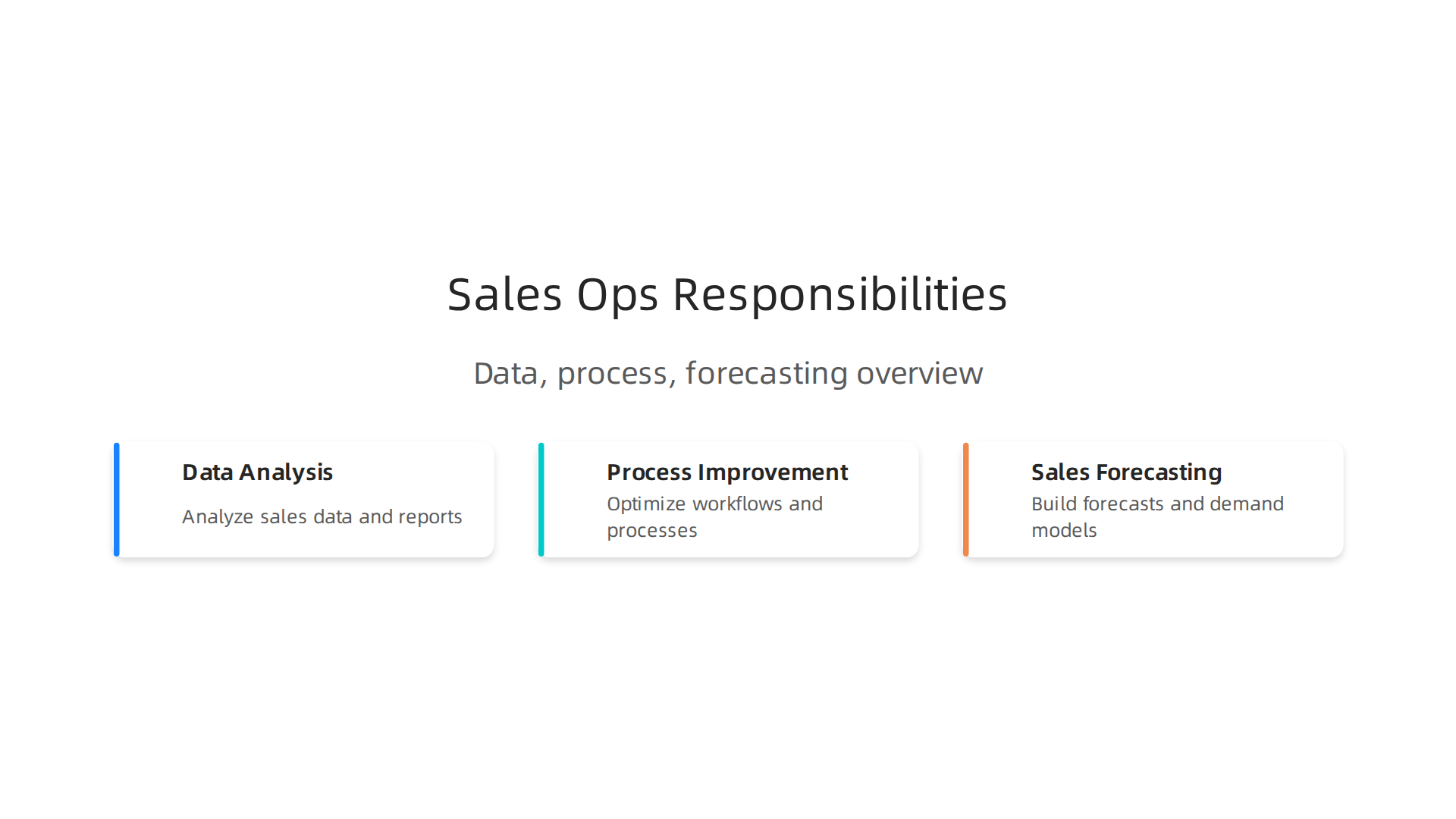
They look at numbers, find patterns, and give the team clear recommendations on what to do next. As one source explains, they "support the sales team through data analysis, improving sales productivity, and ensuring smooth operations." That is a huge contrast with SDRs or BDRs who spend their days prospecting and doing cold outreach.
Here is the thing. If you have worked as an appointment setter, you already understand the front end of the sales funnel. You know what a qualified lead looks like, how to manage a pipeline, and which questions to ask. A sales operations analyst uses that same knowledge, but at a higher level. They study the data behind those appointments. They ask questions like: Which lead source converts best? Where are deals getting stuck in the pipeline? How can we automate the scheduling process?
This role sits at the intersection of data, strategy, and sales execution. You do not need to be a math genius, but you do need to be curious about why things work. You will use tools like CRM platforms and spreadsheets every day. That is why appointment setting experience is so valuable. You already speak the sales language. Now you just need to learn how to read the numbers behind it. For more on how appointment setting skills transfer, check out The Appointment Setter’s Guide: Ditch Useless Websites and Book More Meetings. It shows you practical tactics that also help you think like an analyst.
A sales operations analyst is not a salesperson, but they are the reason salespeople can be successful. If you like solving problems, working with data, and helping a team win without chasing clients, this role could be your perfect fit.
Why the Sales Operations Analyst Role Is a Smart Career Move
So you know what a sales operations analyst does. But is it really worth making the switch? Absolutely. Here is why this role is one of the smartest career moves you can make in 2026.
First, the demand is huge and remote-friendly. Companies are hiring sales operations analysts faster than ever. According to data from Indeed, over 1,500 remote sales operations analyst jobs were available in 2026. That means you can work from home, avoid the commute, and still earn a great living. In fact, about 27% of the workforce is fully remote right now, and hybrid roles are cutting turnover by roughly a third, according to KORE1. The trend is not slowing down.
Second, the pay is solid. The average sales operations salary in 2026 ranges from around $72,000 to over $100,000. For example, PayScale reports an average of $71,998, while Apollo shows top earners exceeding $90,100. And unlike direct sales, you do not have to chase commissions to make good money. You still get performance-based bonuses, but the stress is much lower. No more cold call anxiety or month-end quota panic.
Third, the career path is clear and upward. You start as a sales operations analyst, and within a few years you can move into senior roles like Sales Operations Manager or Revenue Operations Analyst. These positions come with even higher pay and more influence. The skills you learn analyzing data and improving processes are transferable across industries, so you are never stuck.
If you are coming from appointment setting, you already have a head start. You understand the sales funnel and what drives results. Now you just need to build on that foundation. For more on how to turn your sales support background into a high-paying remote career, check out these remote appointment setting skills for 2026. It shows you exactly how your current experience translates into analyst-ready qualifications.
The bottom line: the sales operations analyst role pays well, lets you work remotely, and offers real room to grow. It is a smart move for anyone who wants a stable, rewarding career without the constant pressure of closing deals.
Core Skills You Need to Succeed
Now that you know why the sales operations analyst role is a smart move, let’s talk about what skills you actually need to land the job. The good news? You probably already have some of them. And the rest can be learned in a few months.
Hard skills that matter most
First up is CRM proficiency. Almost every company uses a tool like Salesforce or HubSpot to track leads, deals, and customer interactions. As a sales operations analyst, you will spend a lot of time inside these systems pulling reports, cleaning data, and automating workflows. According to Fullenrich, data analysis and reporting are core responsibilities of the role. So getting comfortable with your CRM is non-negotiable. If you are new to Salesforce, a great first step is learning how to configure Salesforce SPF for email deliverability — it helps you understand the backend setup.
Next is data analysis with Excel or Google Sheets. You do not need to be a spreadsheet wizard, but you should know how to sort, filter, use formulas like VLOOKUP or XLOOKUP, and create simple pivot tables. Basic reporting skills let you turn raw numbers into insights that help the sales team make smarter decisions.
Scheduling tools are also important. You will often set up meeting links, manage calendars for sales reps, or track appointment completion rates. If you already have experience with Calendly or HubSpot meetings, you are ahead.
Soft skills that make you stand out
Now for the people side. Empathy is huge. You need to understand what sales reps go through every day — the rejection, the quotas, the pressure. When you show that you care about their challenges, they will trust your recommendations more.
Organization keeps everything running. You will juggle multiple projects, deadlines, and data requests. Staying on top of it all without dropping the ball is a skill itself.
Adaptability is critical for remote work. Teams, tools, and priorities change fast.

Being flexible and calm under pressure will make you invaluable.
The good news? Many of these skills overlap with what you already do as an appointment setter. For a deeper look at how your current strengths translate, check out this guide on remote appointment setting skills for 2026. It maps your existing experience directly to analyst-ready abilities.
Bottom line: master the CRM, learn the spreadsheets, and bring your people skills. That combination will get you hired.
Essential Tools and Software You Must Know
So you already know the core skills. Now let’s talk about the actual tools you will use every day as a sales operations analyst. The good news? Many of these platforms do similar things, so learning one often helps you pick up the next one fast.
CRM Leaders: Salesforce, HubSpot, and Zoho
The CRM is your home base. Almost every company you apply to will use one of these three. Salesforce is the most common in large companies. HubSpot is popular with mid-sized teams and startups. Zoho is a budget-friendly option that still offers strong features.
Here is why this matters for your career. The CRM market is huge. It reached an estimated $126.2 billion in 2026 according to SellersCommerce. Companies are pouring money into these systems because they want better data and automation. And 67% of organizations already use AI-enabled sales tools, reports Capterra. As a sales operations analyst, you will be the person who makes these tools actually work for the sales team.
Your goal is not to become an admin. Just get comfortable pulling reports, cleaning up data, and setting up basic automation. If you are new to Salesforce, one practical skill is configuring email deliverability. You can learn that by reading how to configure Salesforce SPF for email deliverability and appointment setting — it shows you a real backend task.
Communication and Scheduling Tools
You will spend a surprising amount of time coordinating schedules, setting up meetings, and chatting with the sales team. The big three are Calendly, Zoom, and Slack.
Calendly lets people book time directly on your calendar without the back-and-forth emails. Zoom is for calls, demos, and team meetings. Slack is where most of your daily conversations will happen. You do not need advanced skills here, but being fast and organized with these tools makes you look professional.
According to Apollo.io, 65% of B2B sales organizations are shifting to data-driven decision making by 2026. That means you will be asked more and more to measure how these communication tools impact sales efficiency. So track meeting rates and response times early.
Data and Reporting Tools
This is where you turn raw numbers into insights. Excel or Google Sheets is the starting point. But many teams also use Tableau or Google Data Studio (now Looker Studio) for dashboards.
You do not need to be a data scientist. Just learn how to build a simple chart, filter a table, and connect a data source. The sales team will love you if you can show them a clean dashboard that answers their top questions in two clicks.
AI tools are also making reporting easier. Nutshell points out that adoption of AI sales tools is growing fast in 2026. So learning to use features like automated report generation or natural language queries gives you an edge.
How to Learn These Tools
Start with free trials. Salesforce offers a free developer edition. HubSpot has a free CRM. Calendly and Zoom both have free versions. Spend a weekend playing around with each one.
If you want structured training, many appointment setting courses already cover these tools. Check out this guide to unlock high-paying remote jobs with best appointment setter courses to find a program that teaches CRM basics and scheduling workflows.
Bottom line: you do not need to master every tool. Just learn one CRM, one scheduling app, and one reporting platform well. Hire managers look for candidates who can hit the ground running with the tools their team already uses. That alone can land you the job faster than you think.
How to Transition into a Sales Operations Analyst Role
You already have the tools and skills from the last section. Now comes the plan to actually make the switch. Transitioning into a sales operations analyst role does not mean starting from zero. If you have worked in appointment setting, customer service, or any sales support role, you already bring valuable experience.
The key is to follow a clear, step-by-step plan. Let’s break it down.
Step 1: Assess what you already know
Even if your current job is not called "sales operations analyst", you likely already do parts of it. If you ever tracked meeting outcomes, cleaned up a CRM list, or helped a sales rep book a call, you have relevant experience. According to Teal, this role blends analytical thinking with sales know-how. So think about times you used data to make decisions or solved a scheduling problem. Those are your selling points.
Step 2: Get certified for free
Companies want proof you know the tools and processes. Two of the best free training options are Salesforce Trailhead and HubSpot Academy.
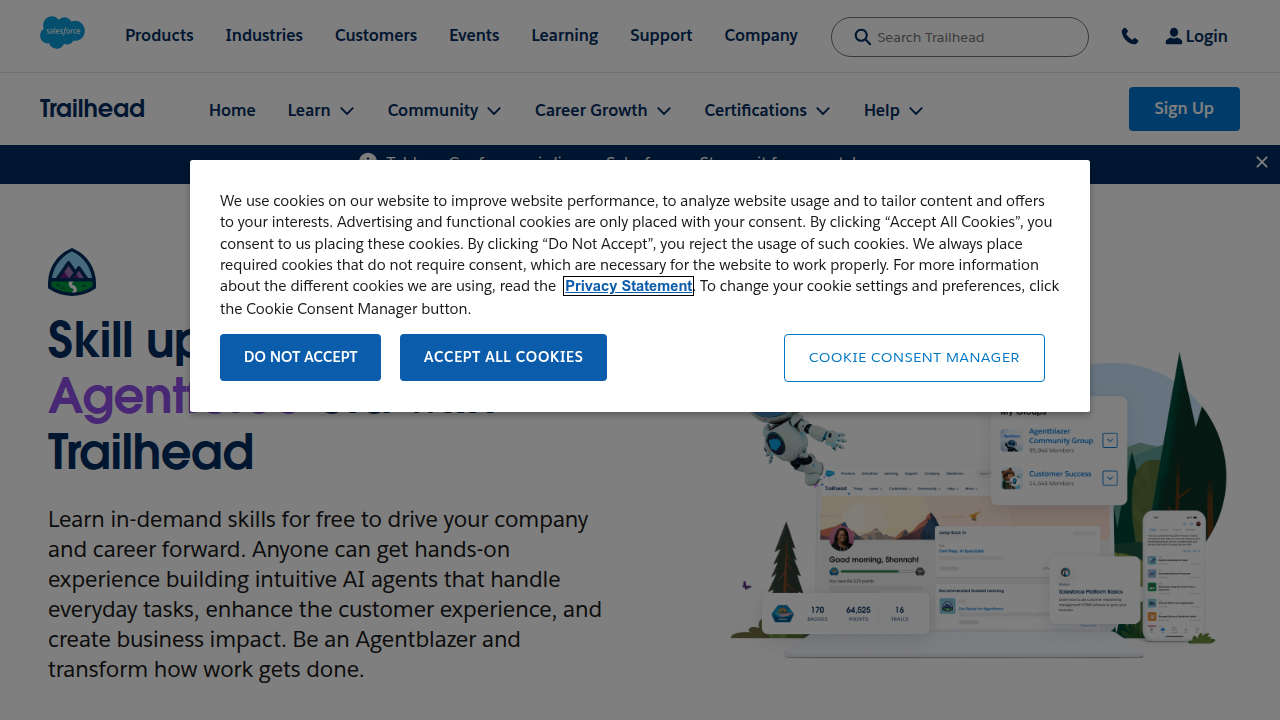
Trailhead offers modules on CRM basics, reporting, and automation. HubSpot Academy has courses on sales operations and pipeline management. Both are respected in the industry. The Salesforce Trailblazer Community shows that many people have successfully switched careers using these paths.
Step 3: Tailor your resume and online presence
Hiring managers skim resumes quickly. Use keywords like "sales operations analyst", "sales analyst", and "sales operations salary" if you discuss past pay. Highlight transferable skills: CRM management, data reporting, communication. If you come from appointment setting, mention how you improved meeting rates or reduced no-shows. A solid resume can open doors to better sales jobs. Check out this guide on skills for a sales associate to see which abilities you already have.
Step 4: Network with purpose
A career change is easier when you know people in the field. Connect with sales ops professionals on LinkedIn. Ask about their day-to-day tasks. Watch conversations like this progression discussion on YouTube to understand how others moved from sales into operations. Networking can also lead to referrals for open sales analyst roles.
Free and low-cost resources to start today
- Salesforce Trailhead (free)
- HubSpot Academy (free)
- Expertia.ai transition guides (see their advice)
- For a complete career switch, consider structured training that teaches both CRM and appointment setting workflows.
Transitioning takes a few months, but the payoff is real. A sales operations analyst role often comes with a higher sales salary and more strategic impact than a typical sales job. Start with Step 1 today.
Remote Appointment Setter vs. Sales Operations Analyst: What’s the Difference?
If you have worked as an appointment setter, you already know the job well. You make calls, qualify leads, and book meetings. That is your main task. A sales operations analyst does something very different. They look at the whole sales process from start to finish. They track data, fix CRM issues, build reports, and help sales teams work better.
The biggest difference comes down to scope. An appointment setter focuses on one step: getting a prospect to say yes to a meeting. A sales operations analyst focuses on the entire pipeline. They ask questions like "Which lead sources perform best?" or "Why are deals getting stuck?" This bigger view is why companies pay more for analysts.
Both roles can be remote. In 2026, many companies offer work from home options. According to KORE1, 27% of workers are fully remote in 2026. That means you can find a remote sales operations analyst job just like you found a remote appointment setter role. In fact, job boards like Indeed list over 1,500 remote sales operations analyst openings right now. So the opportunities are real.
What about pay? A sales operations salary is usually higher than an appointment setter income. Analysts earn more because they own more responsibility. If you want to level up your earnings, this is a smart move.
Here is the good news. Many of the skills you use as an appointment setter transfer directly to the analyst role. You already know how to communicate clearly, use a CRM, and handle rejection. These are core skills for a sales analyst role. Think of your current job as the first step toward a bigger career.
If you want to build on what you have, an appointment setting course can build a career pipeline that leads to advanced roles like sales operations analyst. You don’t have to start from scratch. You just need to add data and process skills to what you already do.
The choice is simple. Stay in a narrow role where you make calls all day, or grow into a role where you shape the entire sales strategy.

The skills overlap makes the jump possible.
Income Potential and Career Growth Trajectory
Let’s talk about the money. It is a big reason you are considering this move from appointment setting. The good news is that the numbers are strong.
In 2026, the average sales operations analyst salary in the US starts much higher than a typical appointment setter role. According to PayScale, the average is $71,998 per year. Apollo reports a similar number of $73,151, with top earners making over $90,100. Other sources like Glassdoor show total pay easily crossing $100,000 when you add bonuses and profit sharing. That is a big jump from booking meetings.
Your actual sales operations salary depends on a few key factors.
- Experience: The more years you have, the more you earn. Your time as an appointment setter counts here.
- Tools Expertise: Knowing CRM platforms, reporting tools, and data analysis raises your value. If you can master Salesforce or Excel, you will earn more.
- Industry: Tech, finance, and healthcare companies usually pay better than other fields.
If you want to build the right skills to boost your income, mastering web development tools can help you get hired in 2026. These technical skills separate you from other candidates.
For a deeper breakdown of how location and certifications change your pay, check out this Coursera guide.
Now for the career growth trajectory. This is where the real excitement lives. You don’t have to stay at the entry level. The path is clear.
Here is a simple look at how the income grows for sales analyst roles in 2026:
- Entry Level Sales Operations Analyst: $70,000 to $85,000 per year
- Senior Sales Operations Analyst: $90,000 to $115,000 per year
- Sales Operations Manager: $110,000 to $145,000 per year
- Director of Sales Operations: $150,000 or more per year
Each step brings a 30% to 50% raise. According to Built In, the average base salary sits at $71,023, with $9,430 in extra cash on top. But senior roles cross six figures easily.
The move from appointment setter to sales operations analyst changes your whole income future. It is not just a job change. It is one of the smartest career upgrades you can make.
Common Misconceptions and Scams to Avoid
After seeing those big salary numbers, you might feel excited. That is a good thing. But here is the catch. Not every job posting out there is real. In fact, scammers are actively targeting people looking for remote sales jobs like appointment setting and sales operations analyst roles.

The Federal Trade Commission has even warned about appointment setter job scams that start on social media. They promise work from home and big money. But they are fake.
So let’s clear up the biggest misconceptions and teach you how to spot the traps.
Misconception #1: You can earn thousands from day one with zero skills. That is a lie. Legitimate roles require a real hiring process. You need to show you understand CRM tools, data, or sales workflows. No reputable company hands out instant riches.
Misconception #2: You have to pay money to get the job. This is a huge red flag. Real employers do not ask for upfront payments for training, background checks, or certifications. If someone asks you to pay before you start, run away. Pipeful’s guide on appointment setting red flags lists high upfront costs as a top warning sign.
Misconception #3: The job description is vague. Some postings say things like "work from anywhere, make $10k a month, no experience needed." That is not a real job. It is a bait. WeWorkRemotely’s 9 remote job red flags explains that vague job descriptions are a major warning.
So how do you protect yourself? Use trusted databases. Check company reviews on Glassdoor or LinkedIn. Search the company name plus "scam" to see if others have reported issues. You can also use a red flags checklist from DailyRemote to verify each job opportunity before applying.
Building real skills is the best defense. If you want a strong foundation, check out this guide on skills for a sales associate that helps you stand out to legitimate employers.
Stay smart. Keep learning. The real sales operations analyst jobs are out there, and they will respect your skills, not ask for your money.
Summary
This article explains how to move from appointment setting or other sales support roles into a sales operations analyst position in 2026. It defines the role—focused on data, process improvement, and sales enablement—then shows why demand, remote options, and salaries make it a smart career move. You’ll learn the key hard and soft skills employers want (CRM fluency, Excel/pivot tables, scheduling tools, empathy, organization), the essential software to know, and a practical step-by-step transition plan using free certifications and targeted networking. The guide also covers income ranges, career progression, and how to avoid common job scams so you can build a secure, higher-paying remote sales career without cold calling.

Graphic Design Portfolio Examples That Help Appointment Setters Get Hired

From Appointment Setting to a Masters in Civil Engineering Online