
Skills for a Sales Associate: The 2026 Framework for Remote Appointment Setting Success

Introduction: Why Mastering the Right Skills for a Sales Associate Matters Now
Think about this. You want to start a remote appointment setting career. You look up job listings, and every post asks for different things. One wants CRM experience. Another wants cold calling skills. A third wants AI tool know how. It is confusing fast.

The remote appointment setting field is growing fast in 2026. But here is the hard truth. Many job seekers struggle to figure out which skills for sales associate roles actually matter. Without a clear roadmap, it is easy to waste time on the wrong training or fall for low quality opportunities.
Here is what the data shows. According to Apollo’s 2026 research, only 27% of sales professionals feel equipped to turn customer data into real insights. That is a huge gap. And TLDR found that 61% of buyers prefer a rep free buying experience. That means the old pitch heavy approach no longer works.
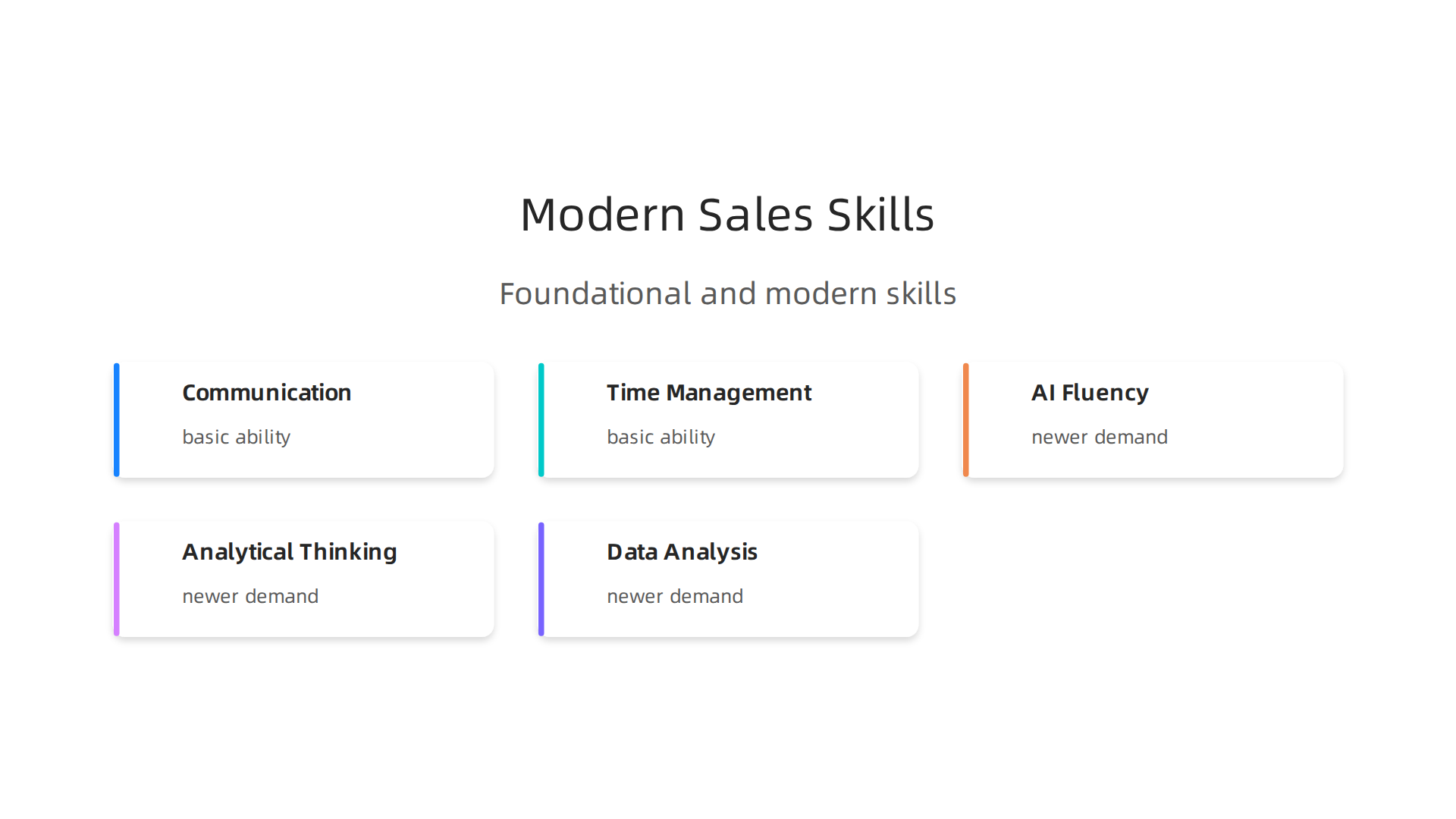
The sales skills you need today are different. They combine basic abilities like communication and time management with newer demands like AI fluency and analytical thinking.
That is why this article exists. We put together a research backed framework of the essential skills for a sales associate, shaped specifically for appointment setting success. No fluff. Just the actionable skills that help you stand out, land the job, and book more meetings.
If you are coming from a traditional sales background, you might want to check out how door to door sales skills lead to a remote appointment setting career. It shows how those skills translate to remote work.
But first, let us break down exactly what you need to master in 2026.
The Core Skills for a Sales Associate You Need Today
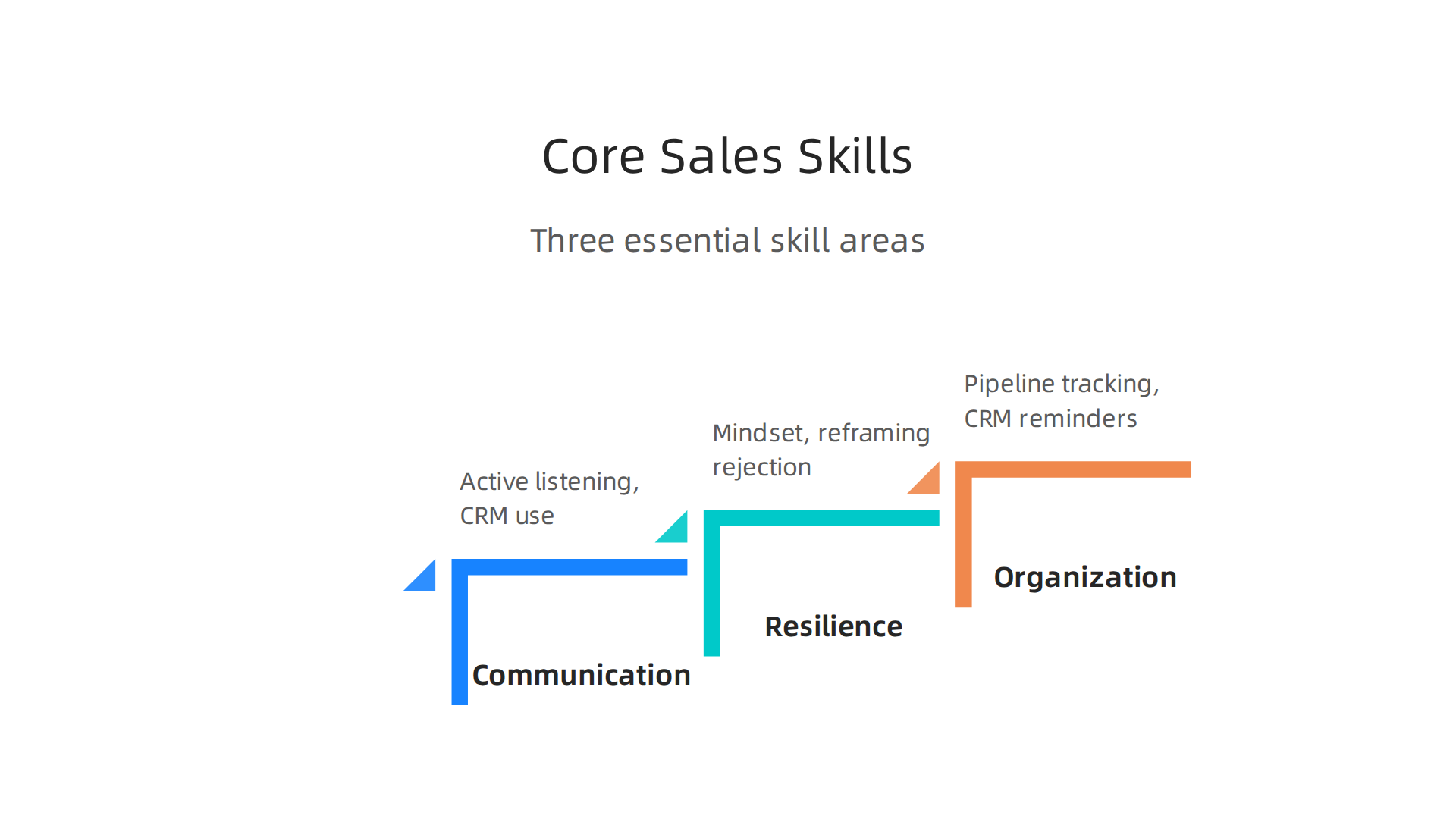
Now that you understand why the right skills matter, let us get specific. What exactly are the skills for sales associate roles that hiring managers actually look for in 2026? We broke it down into three core areas that make the biggest difference.
Communication and Digital Fluency
You probably already know that communication is at the top of every list. Indeed lists it as the number one skill for sales associate roles, and for good reason. You talk to people all day. You need to explain ideas clearly, ask smart questions, and actually listen to what prospects say before you respond.
But here is what changed recently. According to Apollo’s research, employers now expect you to combine communication with digital fluency. That means being comfortable with customer relationship management (CRM) tools like Salesforce or HubSpot. TD Synnex confirms that CRM proficiency helps you stay organized, track interactions, and manage opportunities more effectively. If you cannot navigate a CRM system while holding a conversation, you are already behind many other candidates.
The best sales skills today mix human empathy with tech know how. You listen actively to understand the prospect’s problem, then use your CRM data to find the right next step. Zendesk points out that effective communication and adaptability are both essential for modern sales representative roles.
Resilience and Rejection Handling
Let us be honest. Appointment setting means hearing "no" a lot. Actually, you will hear it more than you hear "yes." The difference between average performers and top performers is not talent. It is how they handle rejection.
Resilience is one of those sales skills that you cannot fake. When a prospect hangs up on you or ghosts after a good conversation, you need to pick up the phone and call the next lead without skipping a beat. According to Randstad USA, selling techniques and prospecting skills are trending in 2026, but they only work if you have the mental toughness to keep going after setbacks.
If you struggle with rejection, do not worry. It is a skill you can build. Start by reframing each "no" as data. What did you learn? What could you try differently next time? That mindset shift alone helps you stay motivated through the tough days.
Organizational Skills and Pipeline Management
Here is something many beginners overlook. Booking appointments is not just about talking to people. It is about keeping track of who you talked to, when to follow up, and what you promised.
Hiring managers increasingly value organizational skills because they show you can manage a sales pipeline without dropping leads. Indeed confirms that organization and time management are top skills for sales associate positions. When you have 50 prospects in different stages of conversation, you need a system.
That is where your CRM becomes your best friend. You track each interaction, set reminders for follow ups, and prioritize leads based on interest level. This keeps your pipeline healthy and prevents you from wasting time on dead ends.
Smarter sales associates also use pipeline data to improve. They look at which outreach methods work best and which types of prospects convert most often. That analytical approach, combined with good organization, separates professionals from amateurs.
If you are ready to build these skills step by step, you might want to explore how to launch a remote tradeline sales appointment setter career. It walks you through exactly how to apply these core abilities to a real remote role.
How to Develop These Skills Without Prior Sales Experience
Here is the good news. You do not need a single day of sales experience to start building the skills we just talked about. Many of the best appointment setters I know started from zero. They just followed a smart plan. Here is how you can do the same.
Start with Free Online Courses and Structured Practice
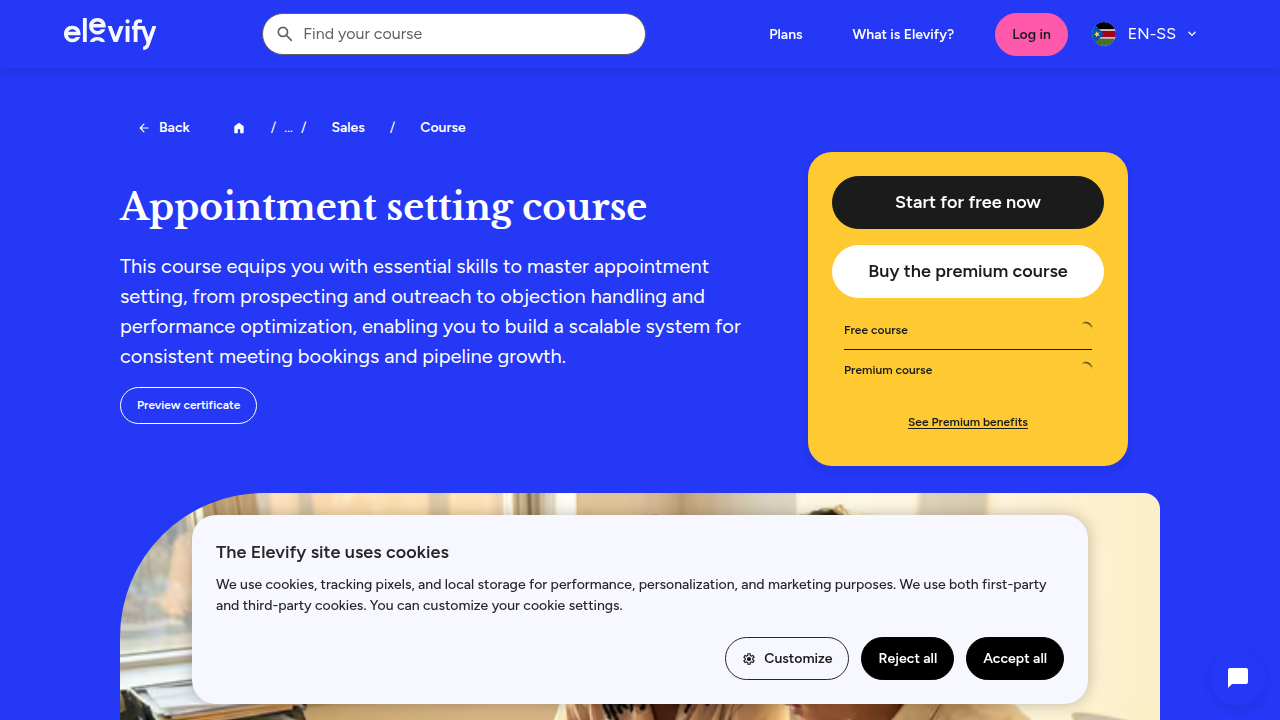
The fastest way to learn is through a good course. And in 2026, there are plenty of free ones that teach you exactly what hiring managers want. For example, the Appointment Setting Course gives you practical tools to identify prospects, qualify them quickly, and book more meetings.
You can also check out Sales Mastery: Appointment Setting from Eric Lofholm. Both are designed for beginners.
If you prefer video, there is a free appointment setting training from a $500k+ earner that walks you through mindset and the exact framework. And the Free Appointment Setting Course for 2026 covers everything from mindset to closing. Watching these and taking notes is like having a mentor show you the ropes for free.
The key is to practice what you learn. Do not just watch. Write down scripts. Say them out loud. Record yourself. This turns passive learning into real sales skills you can use on calls. For more structured options, you can explore the best appointment setter courses to find one that fits your style.
Role-Play and Record Your Calls
Reading and watching is not enough. You need to get uncomfortable. Find a friend or join an online group where you can role-play sales calls. Practice your opener, handle objections, and work on your tone.

Even better: record your practice sessions. Listen back and notice where you stumble. Are you talking too fast? Not asking enough questions? Fix that for next time. This feedback loop is how you improve faster than 90% of beginners.
If you come from a background like door to door sales, you already have a huge advantage. Those skills in handling rejection and reading people transfer directly to phone work. Check out this guide on door-to-door sales skills leading to a remote appointment setting career to see how to make that shift.
Leverage Transferable Skills from Other Jobs
Maybe you worked in customer service, teaching, or hospitality. Good news: those jobs built exactly the muscles you need. Patience, active listening, problem solving, and staying calm under pressure all apply directly to appointment setting.
Think about it. A teacher explains ideas clearly and handles tough questions. A server reads the room and adjusts their approach. A customer service rep stays polite even when someone is upset. Those are the same skills for sales associate roles employers look for.
When you apply for your first setter job, highlight these experiences. Tell them how you handled a difficult customer or managed a busy shift. That shows resilience and organization without using the word "sales."
Consider a Certification to Prove Your Skills
If you want extra credibility, a short certification can help. Programs like the Certified Professional Sales Associate (CPSA) are designed for beginners and career changers. You can earn it in six weeks online. According to Pipedrive, sales certifications show employers you have a specific skill set and are serious about the role.
Certifications are not required, but they can give you an edge when you have zero experience. Many of the best free resources provide a certificate of completion too.
Now you have a clear path. Pick a free course starting today. Practice with a friend. Highlight your transferable skills. And consider a certification to stand out. You can build these sales skills without ever making a cold call. The only thing you need is the willingness to start.
Technical Tools Every Appointment Setter Must Master
You have the soft skills and the practice. Now let us talk about the tools you will use every day. In 2026, most legitimate appointment setting roles expect you to know at least a few key platforms. Do not worry. They are not hard to learn. And knowing them shows employers you are ready to jump in from day one.
CRM Proficiency is Non-Negotiable
A CRM (Customer Relationship Management) system is where you track every prospect, call, and follow up. The most common ones are Salesforce, HubSpot, and Pipedrive. According to Business Trailblazers, these are the core platforms a remote appointment setter needs to be familiar with. You do not need to be an admin. But you should know how to log a call, update a lead status, and schedule a task.
HubSpot has a free version that is perfect for practicing. Create a few contacts, move them through stages, and set reminders.
That hands on experience is worth more than a dozen certifications.
Dialers and Prospecting Tools Save You Time
Instead of manually searching for phone numbers or emails, tools like ZoomInfo and Lusha pull up accurate contact data fast. The Center for Sales Strategy lists these as essential for efficiency. You can also use tools like Seamless.AI. Most employers expect you to be comfortable with at least one prospecting tool. They help you skip the guesswork and get straight to the conversation.
LinkedIn Sales Navigator Is a Must Have
Basic LinkedIn is not enough. Sales Navigator lets you find the exact decision makers at a company. You can filter by title, company size, and even recent job changes.
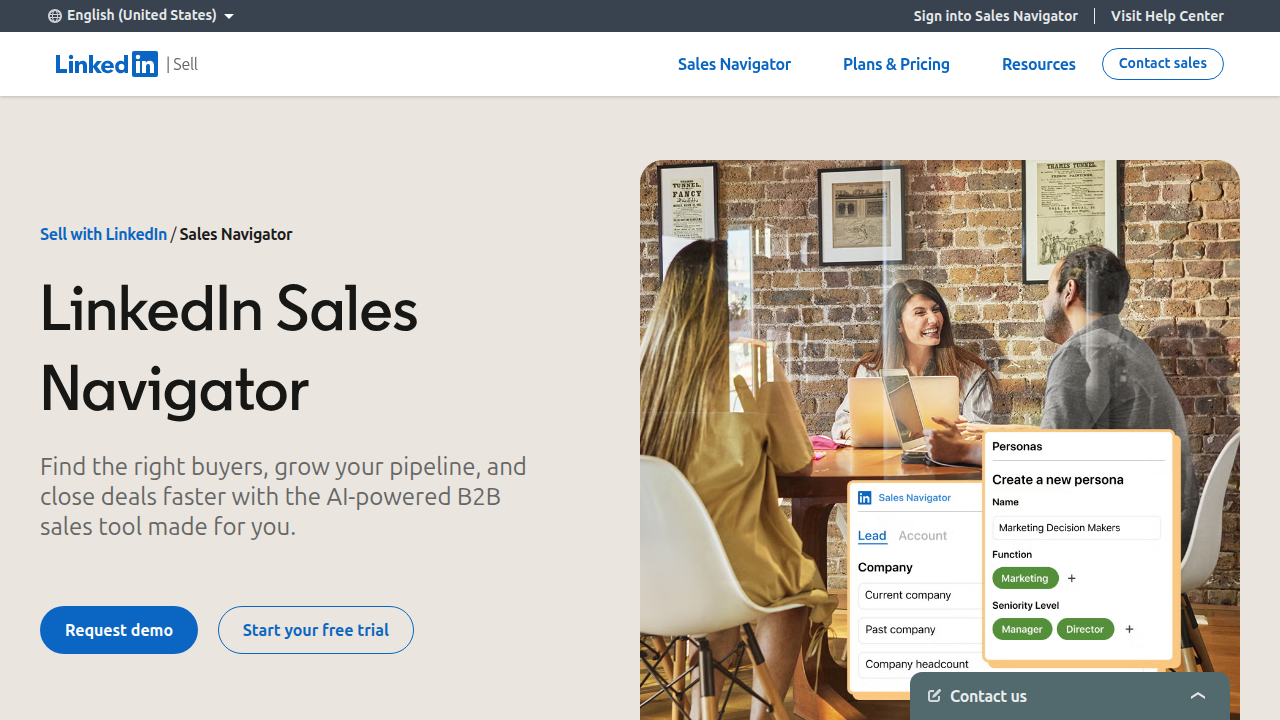
This is how you stop cold calling random people and start talking to the right ones. A short YouTube tutorial can teach you the basics in an hour.
Scheduling and Email Automation Tools
Once a prospect agrees to talk, you need to get them on your calendar fast. Calendly, Doodle, and Acuity Scheduling are the most popular. They let prospects pick a time without endless back and forth emails. Email automation tools like Mailchimp or Outreach help you send follow ups at scale. Even a simple understanding of these tools can make you look professional.
If you want to dive deeper into the exact tools that top appointment setters use daily, check out this guide on ditching useless websites and booking more meetings. It walks you through the setups that actually work.
Mastering these technical tools does not take long. Spend a weekend playing with free trials. That small investment will make you a much stronger candidate for any sales jobs you apply to.
Transitioning to Appointment Setting from Another Career
Maybe you come from teaching, customer service, or administration. You might think you need a fresh start. But here is the good news: many of the skills you already have are exactly what hiring managers look for in an appointment setter.
Think about it. Teachers explain complex ideas simply. They manage classrooms full of different personalities. That is basically handling objections and keeping conversations on track. Customer service reps stay calm under pressure. They listen carefully and solve problems. Administrators organize schedules, follow up on tasks, and keep things moving. All of these skills for sales associate roles transfer directly into appointment setting.
So do not sell yourself short. When you map your current abilities to the core sales skills needed, you might be closer than you think. The key is learning how to apply those strengths in a sales context.
Build a Support Network
You do not have to figure this out alone. Networking with people who already work as appointment setters can give you real world advice. Join online communities on LinkedIn, Facebook, or specialized forums. Ask questions, share your background, and find a mentor. Many experienced setters are happy to help someone making the switch. You can also learn from free resources like the detailed YouTube training from a successful setter that walks you through the exact framework they use.
Certifications Can Speed Things Up
Certifications help prove you know your stuff. They can also shorten the learning curve. Even a simple credential shows employers you are serious. Look into options like a Salesforce Admin certification or a general sales skills course. Free and paid courses exist. For example, the Elevify Appointment Setting Course gives you practical tools to identify prospects and book meetings. And a guide to the best free online courses in 2026 can point you to zero cost options that still deliver real value.
If you want a structured path, check out this list of the best appointment setter training courses for beginners. It breaks down the top programs so you can pick one that fits your budget and schedule.
Your Background Is Your Advantage
Career changers often bring fresh perspectives. You might have patience from teaching or organization from admin. Use that. Combine it with targeted training and a willingness to learn. That mix makes you a strong candidate for sales jobs in 2026.
Curious about how to make the most of your existing skills? Read our guide on unlocking high paying remote jobs with the best appointment setter courses to see exactly which programs help career switchers like you succeed.
Income Potential and Career Growth in Sales Support
So you have decided to make the switch. Or maybe you are just starting out. Either way, you want to know one thing. How much can you really make? The honest answer is that it depends on your skills and the path you choose. But here is the good news. The range is wide. And the growth can be fast.
Let us talk numbers first. Entry level roles often start around $33,000 to $45,000 per year according to data from Talent.com. PayScale shows the average hourly pay for an appointment setter is about $16.03 in 2026. That may not sound huge at first. But that is just the starting line.
Top performers in appointment setting can earn six figures. The difference between someone earning entry level pay and someone earning top pay comes down to the skills they build. Things like empathy, analytical thinking, and CRM experience are highly valued. A report from Apollo in 2026 highlights how AI fluency and relational empathy are becoming essential for modern sales reps.
How Compensation Works
Your pay structure matters a lot. Most appointment setter roles use one of three models:
- Base salary plus commission: You get a steady paycheck plus a bonus for each meeting booked.
- Straight commission: You earn only when you perform. Higher risk but higher reward.
- Hourly wage plus bonus: Common in entry level roles. A safe way to learn the ropes.
Glassdoor reports the average salary for an appointment setter in the US is around $69,328 per year. But VelvetJobs shows a range from $37,400 to $61,000. The huge gap comes down to skill level and experience. The top 10% of earners often have strong communication, customer service, and problem solving abilities. Indeed lists these as top skills for sales associates. Mastering them is what unlocks higher pay.
Where This Career Can Take You
Here is the part many people miss. Appointment setting is not a dead end job. It is a launchpad.
Many professionals move into Senior SDR (Sales Development Representative) roles. Others become Account Executives. Some shift into Sales Operations. Each of these roles comes with a big jump in salary and responsibility.
One way to build the skills that lead to these promotions is to learn from real world sales experience. For example, our guide on how door to door sales skills lead to a remote appointment setting career shows how raw sales grit translates into high income.
If you want to skip the guessing game and fast track your income, structured training helps a lot. Our list of the best appointment setter courses shows you exactly which programs help people land those higher paying roles.
Building the Skills That Pay
Do not think of this as just a job. Think of it as a career with a real ladder. Your income can grow as fast as your skills do. The skills you build today, from handling objections to managing a pipeline, set you up for success in any sales job you target next. Focus on improving those core sales skills. The money follows.
Avoiding Common Pitfalls – Scams and Low-Quality Opportunities
The excitement of landing a remote appointment setting job can make you rush. But here is the truth. The internet is full of fake opportunities and low quality gigs that waste your time. Knowing the red flags keeps you safe and focused on real career growth.
Red Flags to Watch For
Some job postings look great at first. But they hide problems. Watch out for these warning signs:
- Requests for upfront payment. Real employers pay you. They do not ask you to pay for training, leads, or a starter kit.
- Vague job descriptions. If the post says nothing about tools, daily tasks, or commission structure, that is a bad sign. Legitimate companies explain what you will do.
- Promises of unrealistic earnings. If an ad says you can make $10,000 in your first week without experience, be skeptical. Top earners hit those numbers after building real sales skills.
- No mention of CRM or tools. A proper role gives you access to a CRM system like Salesforce or HubSpot. These platforms help you track leads and manage your pipeline. Without them, you are flying blind. The Remote Appointment Setters guide highlights these tools as essential for success.
- Pressure to start immediately. Scammers want your money fast. Real employers give you time to learn and grow.
What a Legitimate Opportunity Looks Like
Good companies invest in you. They offer:
- Paid training that teaches you their product, process, and tools.
- Clear commission structures so you know exactly how you earn.
- Access to a CRM like HubSpot or Pipedrive. This is a sign they care about efficiency and data.
- Support from a manager or team. You are not left alone to figure everything out.
How to Vet a Company Before You Apply
Do not rely on the job posting alone. Check the company out first. Use sites like:
- Glassdoor to read employee reviews and see salary ranges.
- LinkedIn to look at the company profile and see if real people work there.
- Better Business Bureau (BBB) to check for complaints.
Also, trust your gut. If something feels off, move on. There are plenty of good roles out there. For more tips on filtering out low quality options, check out our guide on ditching useless websites to book more meetings.
The Bottom Line
Your time and effort are valuable. Do not waste them on scams. Focus on building real sales skills for sales associate roles at companies that respect you. The best opportunities come when you know what to avoid. Stay sharp, do your research, and your career will grow faster.
Summary
This article presents a practical, research-backed framework of the most important skills for sales associate roles focused on remote appointment setting in 2026. It explains why modern hiring managers expect a mix of interpersonal strengths (clear communication, active listening, resilience) and digital fluency (CRM use, prospecting tools, scheduling software), and it breaks those skills into actionable areas: communication, rejection handling, organization, and tool mastery. You’ll find step-by-step guidance for building these abilities without prior sales experience—free courses, role-play, leveraging transferable skills, and optional certifications—and advice on transitioning from other careers. The piece also covers income ranges, compensation models, career paths beyond appointment setting, and concrete red flags to avoid scams and low-quality gigs. After reading, you’ll have a clear roadmap of what to learn, which tools to practice, how to present your background, and how to spot legitimate remote appointment setter roles.

From Appointment Setting to a Masters in Civil Engineering Online

Kajabi Appointment Setter Course Build a Career Pipeline