
Graphic Design Portfolio Examples That Help Appointment Setters Get Hired

Introduction
You have the skills. You create logos, brochures, and social media graphics that pop. But when a hiring manager asks for your portfolio, do you freeze?

You are not alone. Many job seekers and career switchers underestimate how much a strong design portfolio matters, even in fields like appointment setting. The truth is your portfolio is your ticket in. According to the U.S. Bureau of Labor Statistics, employers rely on portfolios more than anything else when judging graphic designers. And in 2026, with demand for senior talent rising fast, standing out is non-negotiable.
But what specific graphic design portfolio examples should you include? How do you present your work so it grabs attention and proves you can handle real projects? You do not need a degree from a top school. You just need the right strategy.
This article breaks down real graphic design portfolio examples that actually get results. You will learn exactly what to show and how to organize it for maximum impact. And if you are moving into appointment setting, these same principles apply. A strong portfolio website design shows you understand visual communication, a key skill for remote sales roles. In fact, learning UX design for appointment setters can give you an extra edge.
Ready to build a portfolio that opens doors? Let us get started.
Why a Graphic Design Portfolio Matters for Appointment Setters
You might think a portfolio is only for graphic designers. But here is the truth: appointment setters need one too. Why? Because your job is not just about making calls. It is about crafting messages that get attention. You design email templates, social media visuals, and sales scripts that all need to look clean and professional.

A portfolio proves you can do that.
Many appointment setter job descriptions ask for "basic computer skills." But standing out means showing you can create polished materials that reflect a brand. According to the U.S. Bureau of Labor Statistics, employers rely on portfolios more than anything else when judging talent. The same logic applies to remote sales support roles. When a hiring manager sees a portfolio website design with relevant pieces, they instantly know you understand visual communication and can add value from day one.
Your portfolio does not need to be fancy. You can include examples of:
- Outreach email headers you designed
- Social media graphics for campaigns
- One-pagers or flyers used to book meetings
- Even simple slide decks for client pitches
These samples show you know how to speak through design. And in 2026, with demand for senior design hires rising fast, that skill is gold. If you are transitioning from another field, an online graphic design degree can help you build that foundation. But even without a degree, a strong collection of work speaks volumes.
Think of your portfolio as your visual resume. It says: "I can create materials that make people stop and look." That is exactly what an appointment setter needs to do every day. If you want to dig deeper into how visual skills apply to sales roles, check out our guide on UX design for appointment setters. It covers how design thinking helps you book more meetings.
Ready to put your first portfolio together? Start gathering your best outreach materials and organize them in a way that tells a story. Your next job could depend on it.
Essential Elements of a Winning Graphic Design Portfolio
Okay, so you know why a portfolio matters. But what actually goes into a great one? You don’t need a fancy online graphic design degree to build something that works. You just need to hit a few key points.
Think of your portfolio website design like your personal storefront. It needs to show what you can do, not just tell people.
First, mix up your work samples. Hiring managers want to see you can handle different kinds of jobs. Include a blend of these three types of projects:
- Personal projects: These show your passion and creativity. They prove you practice even when no one is paying you.
- Client work: Even small freelance gigs count. They show you can deliver for someone else.
- Spec work: These are projects you made up for practice. Maybe you redesigned a local coffee shop’s email header. That counts.
According to the Bureau of Labor Statistics, employers rely heavily on portfolios when hiring. They want to see demonstrated abilities, not just promises. This is especially true in 2026, when more than half of hiring managers say they need senior-level design talent, as noted by Figma.
Second, structure everything clearly. Do not just dump files into a folder. Organize your portfolio website design with categories that make sense. For an appointment setter, that could mean sections like "Email Templates," "Social Media Graphics," and "Sales Pitch Decks."
Inside each project, add a short case study. Tell the reader:
- What was the goal? (Example: Book 10 discovery calls)
- What did you make? (Example: A 3-email sequence with headers)
- What happened? (Example: Open rates went up by 25%)
Measurable outcomes are gold. They show you add real value. If you want to learn more about applying design thinking to sales work, check out our guide on UX design for appointment setters. It covers how structure and clarity help you book more meetings.
Third, make sure your portfolio is mobile-friendly. Many hiring managers will look at your work on their phones. If your images are tiny or your text is hard to read, they will move on quickly.
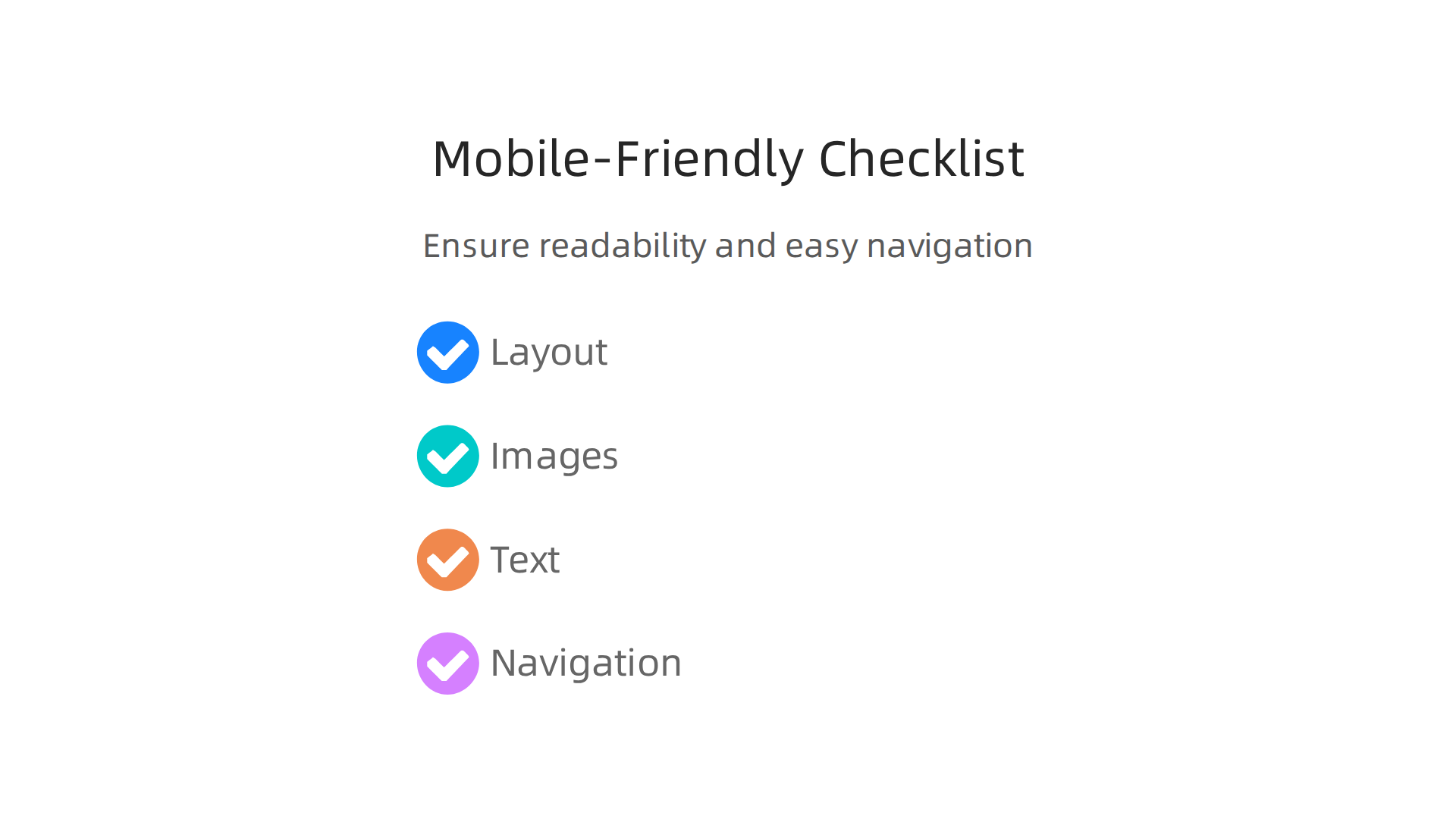
Here is a quick checklist:
| Element | Do This | Avoid This |
|---|---|---|
| Layout | Single column, easy to scroll | Busy sidebars and clutter |
| Images | High resolution but fast loading | Giant files that take 10 seconds |
| Text | Short, clear descriptions | Paragraphs of jargon |
| Navigation | Big buttons and clear labels | Tiny links you can’t tap |
As the 2026 GSA prize and challenge toolkit explains, engaging the end user helps you understand barriers to adoption. Your end user is the hiring manager. Make their experience smooth.
A clean, accessible portfolio website design shows you care about the user. And that is exactly the mindset of a great appointment setter. So start building. Your next opportunity is waiting.
Top Graphic Design Portfolio Examples to Inspire You
Now you know what goes into a strong portfolio. But what do these ideas look like in real life? Let me show you some graphic design portfolio examples that actually work for appointment setters and sales professionals.
Seeing is believing. The best way to build your own portfolio website design is to study what others have done well. According to Format, a strong portfolio is essential for graphic designers to showcase their work and get hired. Let me break down three examples you can learn from.
Example 1: The Sales-Focused Behance Portfolio
Imagine a designer named Sarah. She specializes in creating visual assets for sales teams. Her Behance profile is a masterclass in clarity.
What makes it work:
- Layout: She uses a single-column structure with large hero images. Every project thumbnail tells you exactly what you will see.
- Content: Each case study starts with a one-line summary. "Designed a 4-email sequence that booked 12 discovery calls in one week." Numbers jump out immediately.
- Storytelling: She shows the before and after. The first email design was cluttered. Her redesign made the call-to-action button pop.
Behance is one of the largest platforms for creative work. If you set up a profile there, you join a community of millions.
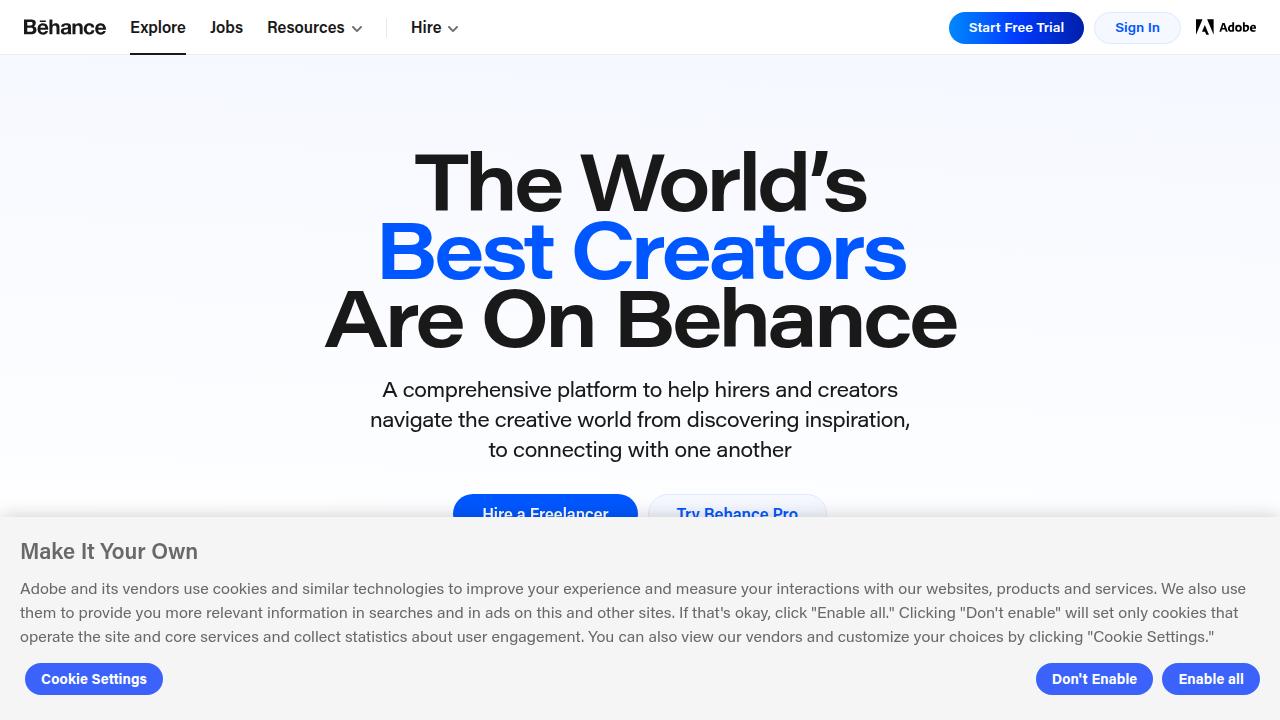
Just browse the graphic design portfolio projects on Behance to see how top designers present their work.
Example 2: The Personal Website That Books Meetings
Now look at Marcus. He is a freelance designer who builds his own website using platforms like Wix or Squarespace.
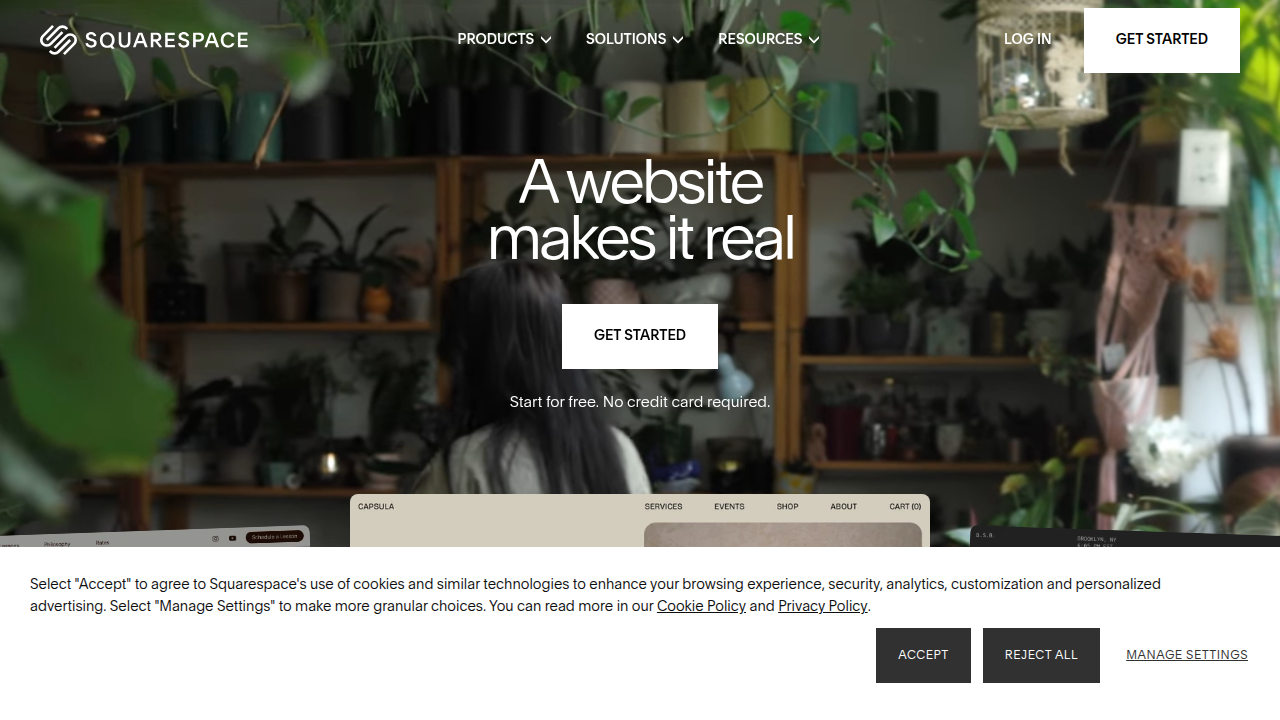
His portfolio website design feels like a conversation.
What makes it work:
- Layout: Clean white space with bold headers. No distracting sidebars.
- Content: He calls his work "Projects that moved the needle." Each project shows the goal, the design solution, and the result.
- Storytelling: He uses the client’s own words in quotes. "Marcus redesigned our pitch deck, and our close rate went up by 30%."
Marcus understood that hiring managers want to see measurable outcomes. When you structure your portfolio this way, you show you understand the business side of design. If you want to dive deeper into how design thinking helps you book more meetings, check out our guide on UX design for appointment setters. It covers the exact principles Marcus used.
Example 3: The Dribbble Shot Collection
Finally, meet Priya. She uses Dribbble to post short design concepts. Dribbble is perfect for quick visual inspiration.
What makes it work:
- Layout: Each "shot" is a single image or short animation. She tags everything clearly: "Email Header," "Social Graphic," "Sales Slide."
- Content: She adds a short caption explaining the design choice. "Used green for the CTA button because it contrasts with the blue background and draws the eye."
- Storytelling: Even though Dribbble is visual, she connects each piece to a real scenario. "This could be used in a cold email sequence for real estate agents."
Priya shows that you do not need a full case study for every piece. Sometimes a single, well-crafted image with a smart caption is enough to impress a hiring manager.
What You Can Learn From These Examples
Here is the takeaway. All three designers focus on results, not just pretty pictures. They make it easy for someone to see the value they offer.
Your action step: Pick one platform. Start with a single project. Apply the layout, content, and storytelling tips we talked about. Even one strong case study is better than nothing.
Remember, your online graphic design degree or lack of one does not matter as much as what you can show. Hiring managers care about demonstrated abilities. So go ahead and create your first portfolio piece. Your dream appointment setter role is waiting. If you want more guidance on building your online presence, our guide on how to ditch useless websites and book more meetings can help you avoid common mistakes and create something that actually works.
How to Tailor Your Portfolio for Remote Appointment Setter Roles
So you have seen the graphic design portfolio examples. You know what a good one looks like. But here is the real question. How do you make your portfolio website design stand out for a remote appointment setter job?
The truth is, hiring managers for remote roles look for different things than local agencies. They care about your ability to work without supervision. They want proof you can communicate clearly through digital tools.
Let me walk you through three ways to optimize your portfolio for these remote roles.
1. Highlight Remote-Relevant Skills
Start by adding a clear section called "Remote Work Skills" or "Digital Tools Expertise." This shows you understand the remote environment.
Appointment setters need to be disciplined and confident, as noted in the Appointment Setter Job Description Templates. Your portfolio should reflect this. List the specific tools you use:
- CRM systems like Salesforce or HubSpot
- Video conferencing tools like Zoom or Google Meet
- Project management apps like Asana or Trello
- Communication platforms like Slack or Microsoft Teams
Many employers look for basic computer skills and proficiency with digital tools, according to Indeed’s appointment setter job description. Showing you already know these saves them training time.
2. Add Remote-Specific Projects and Testimonials
Your portfolio should tell a story about your remote experience. Include a separate section titled "Remote Projects" or "Virtual Team Work."
For example, describe a project where you:
- Collaborated with a team across different time zones
- Used a CRM to track leads and follow-ups
- Created email templates for a virtual sales team
- Supported a remote client through a design process
If you have testimonials from virtual teams or remote clients, feature them prominently. Quotes like "She always responded within an hour, even across time zones" show you are reliable.
Strong organizational skills are essential for appointment setters, as highlighted by Virtual Latinos. Your portfolio is the perfect place to demonstrate this.
3. Optimize for Remote Job Boards and ATS
Here is a step many people miss. Remote job boards and applicant tracking systems (ATS) scan for specific keywords. Your portfolio needs to use the right language.
Look at job descriptions from sites like Upwork for appointment setters. You will see repeated terms like "outbound sales," "lead generation," and "communication skills." Use these exact phrases in your portfolio.
Quick checklist for optimization:
| Element | What to do |
|---|---|
| File names | Name PDFs and images with keywords like "appointment-setter-portfolio-sarah-smith.pdf" |
| Headings | Use clear H2 and H3 headers with terms like "Cold Email Design" or "Sales Funnel Graphics" |
| Alt text | Describe your images using keywords for accessibility and SEO |
| Skills list | Add a bullet list of tools and skills at the top of your portfolio |
Employers want to see you are discipline and confident, as mentioned in the Betterteam interview questions. Your portfolio should make this obvious.
Remember, remote hiring is competitive. But with the right structure, your portfolio can open doors. For more detailed guidance on building your online presence, check out our guide on how to ditch useless websites and book more meetings.
Your next step is simple. Take one of these three strategies and apply it to your portfolio today. One small change can make a big difference in landing your dream remote appointment setter role.
Tools and Platforms to Showcase Your Graphic Design Work
You now know how to tailor your portfolio for remote roles. But where do you host it? The platform you choose is just as important as the work itself. A great portfolio on a clunky site can hurt your chances. Let’s look at the best options in 2026.
Here is a quick comparison of popular platforms:
| Platform | Customization | SEO | Cost |
|---|---|---|---|
| WordPress.org | Very high | Excellent | ~$100/year (hosting + domain) |
| Squarespace | High | Good | ~$16/month |
| Behance | Low (templates only) | Good (built-in audience) | Free |
| Dribbble | Low (profile only) | Good (designer community) | Free or $8/month for more features |
| Adobe Portfolio | Medium | Moderate | Free with Creative Cloud ($55/month) |
I see many new appointment setters asking which one to pick. Here is the truth. It depends on your goals.
If you want full control, go with WordPress.org. It offers the most customization and the best SEO. You can build a portfolio website design that truly reflects your brand. The downside is you need to manage hosting and updates yourself. Many web developer portfolio pros prefer this route because they can tweak everything. For a step-by-step start, check out this guide on how to master web development tools to get hired in 2026.
If you want simplicity, choose Squarespace. It has beautiful templates that look professional fast. You do not need technical skills. The built-in SEO tools help hiring managers find you. Many of the best graphic design portfolio examples for 2026 use Squarespace.
If you want a free start, use Behance or Dribbble. These platforms have built-in audiences. Designers and recruiters browse them every day. You can create a profile and upload work in minutes. Behance is especially popular for graphic design work, as you can see on their graphic design portfolio projects page. The downside is less customization and no custom domain unless you pay for a premium plan.
For Adobe users, Adobe Portfolio is a solid choice. It connects directly to your Creative Cloud account. You can build a simple site without extra cost. It works well for showing online graphic design degree projects or client work.
Why a Custom Domain Matters
Here is a small tip that makes a big difference. Buy a custom domain name. Something like yourname.com. It costs about $10 to $15 a year. It makes you look serious and professional.
Paid hosting for a WordPress or Squarespace site ensures fast loading times and reliable uptime. Slow sites hurt your chances with busy hiring managers. Many design portfolio inspiration sites highlight fast, clean portfolio websites.
Pick one platform. Set up your site today. Your portfolio is ready. Now it needs a home.
Common Mistakes to Avoid in Your Graphic Design Portfolio
You picked your platform. You set up your site. Now comes the hard part. Filling it the right way. I see designers make the same mistakes over and over. Let me save you the trouble.
Mistake 1: Showing Too Much Work
Here is the biggest trap. You want to prove you can do everything. So you throw in 30 projects. Bad move. Hiring managers do not have time for that. They scan fast.
Quality beats quantity every time. Pick your 5 to 8 strongest pieces. That is all you need.

If a project does not make you proud, leave it out. A tight portfolio shows confidence. Some of the best graphic design portfolio examples from 2026 follow this rule closely.
Think of it this way. You are not a museum. You are a highlight reel. Show your range but only with your best work.
Mistake 2: Forgetting the Story Behind Each Piece
Here is something many designers miss. The work itself is only half the picture. The story behind it matters just as much.
Do not just show a logo. Explain what the client needed. Walk through your process. Share the result. Did sales go up? Did the client love it? Numbers help a lot.
Context turns a pretty picture into proof of skill. When you look at design portfolio inspiration from top designers, you will see they always include the backstory. That is what gets you hired.
Mistake 3: Ignoring User Experience
Your portfolio is a website. It needs to work well. I have seen amazing work hidden behind slow load times and broken links. That kills your chances fast.

Check these things:
- Does your site load in under 3 seconds?
- Does it look good on a phone screen?
- Are all links working?
- Can someone find your contact info in one click?
Hiring managers browse on mobile a lot. Especially for remote roles. If your portfolio website design is clunky on a phone, they move on. Simple as that.
Using a fast platform helps. You can find graphic design portfolio website templates that are built for speed and mobile use. Pick one and test it yourself.
The Bottom Line
Avoid these three mistakes and you are already ahead of most designers. Show fewer projects. Tell the story behind each one. Make the user experience smooth.
Your portfolio is your ticket to better work. Make it count. And if you want to learn more about building a strong career foundation, check out how to master web development tools to get hired in 2026.
Summary
This article shows how to build a graphic design portfolio that actually helps you land appointment setter and remote sales-support roles. It explains why hiring managers care more about proven work than degrees, and which specific samples—email headers, social graphics, one-pagers, and slide decks—best demonstrate value. You’ll learn how to structure projects as short case studies (goal, solution, measurable result), how to organize and present work for fast mobile review, and which platforms fit different goals and budgets. The guide includes three live examples (Behance, personal website, Dribbble) to model, plus concrete tips for highlighting remote-relevant skills, tools, and testimonials. It also covers ATS and SEO basics—file names, headings, alt text—and a checklist of UX and performance items to test. Finally, the article warns against common traps like over-sharing work and skipping context, and points to specific next steps to create a compact, persuasive portfolio.

Become a Sales Operations Analyst Without Cold Calls in 2026

From Appointment Setting to a Masters in Civil Engineering Online