
From Appointment Setting to a Masters in Civil Engineering Online

Introduction: Why Civil Engineering Might Be Your Next Smart Move
If you work as an appointment setter, you already know the ups and downs. Some months feel great. Other months leave you wondering if there is a clearer path forward. Unclear career growth, ups and downs in income, and a lack of real structure can wear you down over time.

Maybe you have thought about making a bigger move but did not know where to start.
Here is the thing. A masters in civil engineering online could be the stable, high demand career shift you are looking for. Civil engineering is one of those fields that never goes out of style. Roads, bridges, water systems, and buildings need smart people to design and maintain them. The best part? You can earn your degree from home while you keep working. Many programs are built for people who need flexibility, just like remote appointment setting.
So why should you care? Because this article gives you a clear, step by step roadmap. We will walk through how to go from sales support to a rewarding engineering role. No guesswork. No fluff. Just practical steps based on real opportunities.
If you are not sure yet whether online learning is for you, you might want to check out how to master web development tools to get hired in 2026 or explore how UX design for appointment setters can boost your 2026 career. Both show how remote skills can open new doors.
But civil engineering? It offers something different. It gives you a professional license, a clear title, and work that literally builds the world around us. And yes, you can do a lot of it remotely.
Ready to see how the transition works? Let us start with the first big step.
Why Civil Engineering? The Career Pivot You Haven’t Considered
You already know the wear and tear of appointment setting. The uncertainty. The ups and downs. What if you could swap that for a career with clear rungs on the ladder? Civil engineering gives you exactly that. A structured path, a professional license, and a job that actually grows every year. The Bureau of Labor Statistics projects steady demand for civil engineers through 2033, with new projects in infrastructure and climate resilience driving need.
But here is the twist. You already have transferable skills. Your persistence, your communication knack, and your CRM familiarity all matter in engineering project coordination. You have been training for this without knowing it.
A masters in civil engineering online is the bridge. You keep working while you learn, then step into a field where your title, income, and impact are rock solid. If you have ever wondered how to turn your sales grit into a licensed profession, this is your moment. And if you want to explore other remote career options that build on your current role, check out how to unlock high paying remote jobs with the best appointment setter courses.
Salary and Stability: A Direct Comparison
Let’s look at the numbers. The median salary for civil engineers lands around $95,000 per year. Compare that to typical sales support roles like appointment setting, where the median often sits between $45,000 and $60,000.
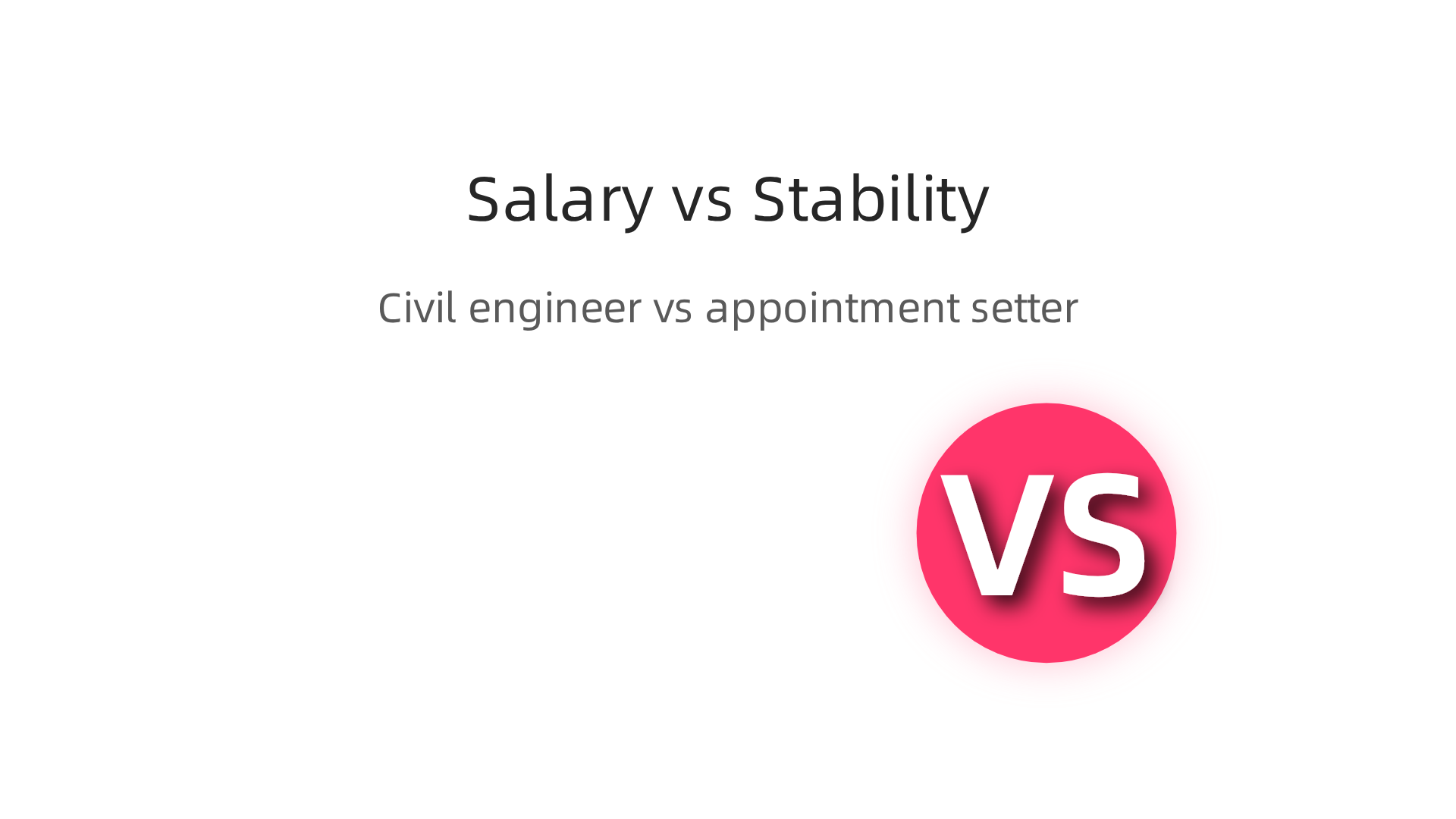
That’s a gap worth paying attention to. But salary is only part of the picture. Civil engineering roles almost always include full benefits, retirement plans, overtime protections, and clear promotion tracks. Geographic demand is strong across infrastructure hubs in the US, UK, Canada, Australia, and New Zealand. A masters in civil engineering online is your ticket to this stability without leaving your current job. Contrast that with the precarious nature of appointment setting without a structured career pipeline. This path gives you the security you have been working for.
Remote Work Opportunities in Civil Engineering
You might wonder if civil engineering can offer the same work-from-home flexibility you currently enjoy in appointment setting. The answer is yes. Remote and hybrid roles in this field are expanding fast, especially in design, consulting, and project management. Sites like Indeed now list over 2,000 remote civil engineering jobs.

So the opportunities are real.
To land these positions, you need hands-on skills in tools like BIM, CAD, and project management software. The great part? You can learn them online while you keep your current job. A masters in civil engineering online is your direct path to roles like remote structural analyst or virtual construction coordinator.
If flexibility matters to you, start by building skills for remote appointment setting success as a stepping stone. Then use that same mindset to shift into civil engineering. The remote career you want is closer than you think.
The Online Master’s Advantage: Flexibility for Career Switchers
One major advantage of a masters in civil engineering online is that you can keep your current job while you study. Accredited programs offer the same curriculum as on-campus versions, with asynchronous classes that fit your schedule. Many schools welcome non-engineering backgrounds and provide foundational courses to get you ready. According to GetEducated, the average cost for these programs is around $29,500. If you’re already used to researching the best training options, apply that same skill when you look at programs, just like you did with our guide to the best appointment setter courses. This flexibility makes switching careers less risky.
Program Formats and Scheduling
Most schools let you choose between part-time, full-time, or accelerated tracks. If you work full time, part-time usually works best. It takes about two years, based on the average online civil engineering master’s timeframe. Accelerated options can finish in as little as 12 months but require a heavier weekly load.
For delivery, you pick between synchronous (live classes at set times) and asynchronous (watch lectures on your own schedule). Asynchronous fits best for working adults because you can study after work or on weekends.
Costs vary widely. For example, Ohio University charges around $28,000 for non-residents (Ohio University tuition), while UCLA’s 9-course program is about $39,600 (UCLA cost). University of Florida offers per-credit rates near $690 for non-residents (UF EDGE fees). Many schools offer financial aid, grants, or employer tuition reimbursement.
Just as you weigh these program formats for your master’s, you can also explore flexible training options for your new career with our skill development framework designed for remote work success.
Admissions Without an Engineering Bachelor’s
What if your undergraduate degree is in biology, business, or something else entirely? You can still earn a masters in civil engineering online. Many programs offer bridge pathways or graduate certificates that cover missing knowledge. You may need to take prerequisite courses in calculus, physics, and statics first. The good news is you can finish these online before starting the master’s. Schools like Purdue, ranked number one for online civil engineering master’s in 2026, accept students from diverse backgrounds. Admissions committees also value your career experience. If you have project management or technical skills, that counts. So do not let a non engineering degree hold you back.
If you are exploring new career paths, similar flexibility exists in other fields. You can launch a remote appointment setter career by building the right skills and mindset.
What You’ll Learn: Core Skills That Transfer Beyond Engineering
A masters in civil engineering online covers technical areas like structures and water resources. You’ll also master software such as AutoCAD and Revit, which are essential for modern design Mastering tools like AutoCAD and Revit. Beyond that, programs build project management, data analysis, and communication skills. These abilities are valuable in many fields, including appointment setting. The analytical thinking you develop, for instance, directly improves client communication and CRM management. If you want to strengthen these transferable skills further, check out this sales associate skills framework for remote success.
Technical Skills: Structural Analysis, CAD, BIM
A masters in civil engineering online gives you real hands-on experience with industry tools. Through virtual labs, you will work directly with AutoCAD for drafting, Revit for building information modeling (BIM), and MATLAB for data analysis. These are the same tools used by top firms every day Top 10 Civil Engineering Software to Learn for Success in 2025. You also learn structural analysis software like STAAD Pro, which is critical for design work Which Software Tools Should Every Civil Engineer Learn?.
This technical foundation opens doors to design and consulting roles. And once you complete your degree, certification pathways like the Engineer in Training (EIT) and Professional Engineer (PE) license become accessible. These credentials boost your credibility and earning potential. The same analytical mindset you build here transfers directly to other fields too. For example, learning to manage complex engineering data prepares you for CRM tasks in appointment setting. If you want to see how technical skills can help you land a remote role, explore this guide on mastering web development tools to get hired in 2026.
Soft Skills: Project Management and Client Communication
Technical tools get you in the door, but soft skills make you a leader. A masters in civil engineering online builds your ability to write clear reports, work in teams, and manage stakeholders. Programs often include courses in engineering economy, ethics, and leadership skills. These are the same traits top firms look for when promoting engineers into management roles. Many online programs, like Purdue’s top ranked option, blend technical rigor with leadership training Online Master of Science in Civil Engineering program connects ….
If you already have experience juggling multiple clients and deadlines as an appointment setter, you are ahead. That skill transfers perfectly to civil engineering project coordination. To strengthen your people skills, check out this framework for remote appointment setting success.
Accreditation and Legitimacy: Choosing a High-Quality Program
Not all online programs carry the same weight. When you search for a masters in civil engineering online, accreditation is your first filter. ABET accreditation matters because it ensures the program meets strict industry standards
ABET criteria. Employers notice this. So do licensing boards.
You also want regional accreditation. It protects your ability to transfer credits later and qualifies you for financial aid. Before you commit, check the U.S. Department of Education database and use the ABET program finder to confirm legitimacy. Avoid diploma mills by doing your homework. The same way you would avoid useless websites and book better meetings, avoid unaccredited programs. A little research now saves you from a wasted degree later.
How to Verify a Program’s Credentials
You don’t want to guess whether a masters in civil engineering online is legit. So take these three steps before you apply.
First, go straight to ABET’s official directory. Use the ABET program finder to confirm the civil engineering program is listed. If it’s not there, the accreditation claim is empty. ABET criteria set the standard employers and licensing boards expect, so this step is non negotiable.
Second, check for institutional accreditation from a recognized regional body like the Higher Learning Commission (HLC) or WASC. The program’s website should display these badges clearly. No badge means no accreditation.
Third, read real student reviews and graduate outcomes on platforms like GradReports or Onlinemastersdegrees.org. Look for honest feedback about coursework, faculty support, and job placement after graduation. Doing this research upfront is the same kind of careful vetting that helps you build a solid career path, similar to how you would unlock high paying remote jobs with Coursera English courses by choosing verified programs.
A little verification now protects your time, money, and future license eligibility.
The Value of an ABET-Accredited Degree for Remote Jobs
After you verify that a masters in civil engineering online has ABET accreditation, you unlock real career power. Many remote engineering employers require an ABET-accredited degree for you to even sit for the Professional Engineer (PE) license exam. Without that, your remote job options shrink fast.
But the value goes further. ABET accreditation is recognized across the Washington Accord countries, so your degree holds weight if you work with global teams abroad. This global recognition is a huge plus for remote roles that span borders.
Employers also see ABET as a shortcut for quality. When a program meets ABET’s strict criteria, hiring managers know you were trained to a consistent standard. Resources like onlinemastersdegrees.org confirm that ABET accreditation signals reliability to employers.
Think of it this way: just as you would carefully vet a remote career path in other fields, you should do the same here. If you are exploring different remote opportunities, you might also want to unlock high paying remote jobs with Coursera English courses by choosing verified programs. For civil engineering, ABET is your stamp of trust.
Your Roadmap to Transition: From Application to First Engineering Role
Ready to go from planning to doing? Follow these three steps after you start your masters in civil engineering online.
-
Research 3-5 accredited programs. Look for top-ranked options like Purdue’s online MSCE program, #1 by U.S. News in 2026. Match them to your budget.
-
Complete prerequisites. Take bridge courses via community college or a MOOC. Strengthen technical skills with tools like Python. This Python for data science guide can help you prepare.
-
Apply, secure aid, and start coursework. Many students work while studying. Stay updated on hiring trends, like in this 2026 civil engineering hiring video.
Follow this roadmap and you will be ready for your first remote engineering role.
Networking and Internship While Studying
Getting your masters in civil engineering online is a big step. But your degree alone won’t land you a job. You need to build connections and get real experience while you study.
Start by joining the American Society of Civil Engineers (ASCE). Attend industry webinars and join LinkedIn groups for civil engineers. These are great places to learn about current trends, like the state of civil engineering hiring in 2026.
Look for virtual internships or co-op programs offered through your online program. Many top schools, like Purdue’s nationally ranked online MSCE program, help students find these opportunities.
Here’s a powerful trick: use your appointment-setting skills to reach out to alumni and potential mentors. Sending a polite message to ask for a quick chat works wonders. If you want to sharpen those outreach skills, this guide on appointment setter success can help you get started.
Build your network now, and your first engineering role will feel much closer.
Preparing Your Resume and Interview for Engineering Roles
Show employers you are ready. Your resume needs to tell an engineering story. If you came from sales, translate your achievements. For example, "managed client relationships" becomes "stakeholder coordination for project delivery." That skill matters in civil engineering.
Highlight the technical skills you gained during your masters in civil engineering online. Mention software like AutoCAD or analysis tools. Talk about site reports or capstone projects. Top programs, like Purdue’s No. 1 ranked online MSCE in 2026, give you these hands-on experiences.
For interviews, practice behavioral questions. Focus on problem solving and teamwork. Watch trends in the industry to speak confidently. If you want to practice translating your past roles, learn how to reframe your sales experience for any professional setting.
Real Earnings Potential and Career Growth Trajectories
Here is the good news. Entry level civil engineers often earn more than the median appointment setter salary. That means your masters in civil engineering online can pay off fast. After you earn your Professional Engineer (PE) license, your pay can jump substantially. Many engineers hit six figures in the US.
Your career path choices include structural, transportation, environmental, or construction management. Many of these roles now offer remote or hybrid options, giving you the flexibility you want.

With experience and specialization, your earning power keeps growing.
If you want to see other high paying remote career paths, check out this guide on unlocking high paying remote jobs.
Licensure Path: EIT, PE, and International Equivalents
Once you earn your masters in civil engineering online, the next step is licensure. Start by passing the Fundamentals of Engineering (FE) exam. This makes you an Engineer in Training (EIT). After four years of supervised experience, you can take the Professional Engineer (PE) exam.
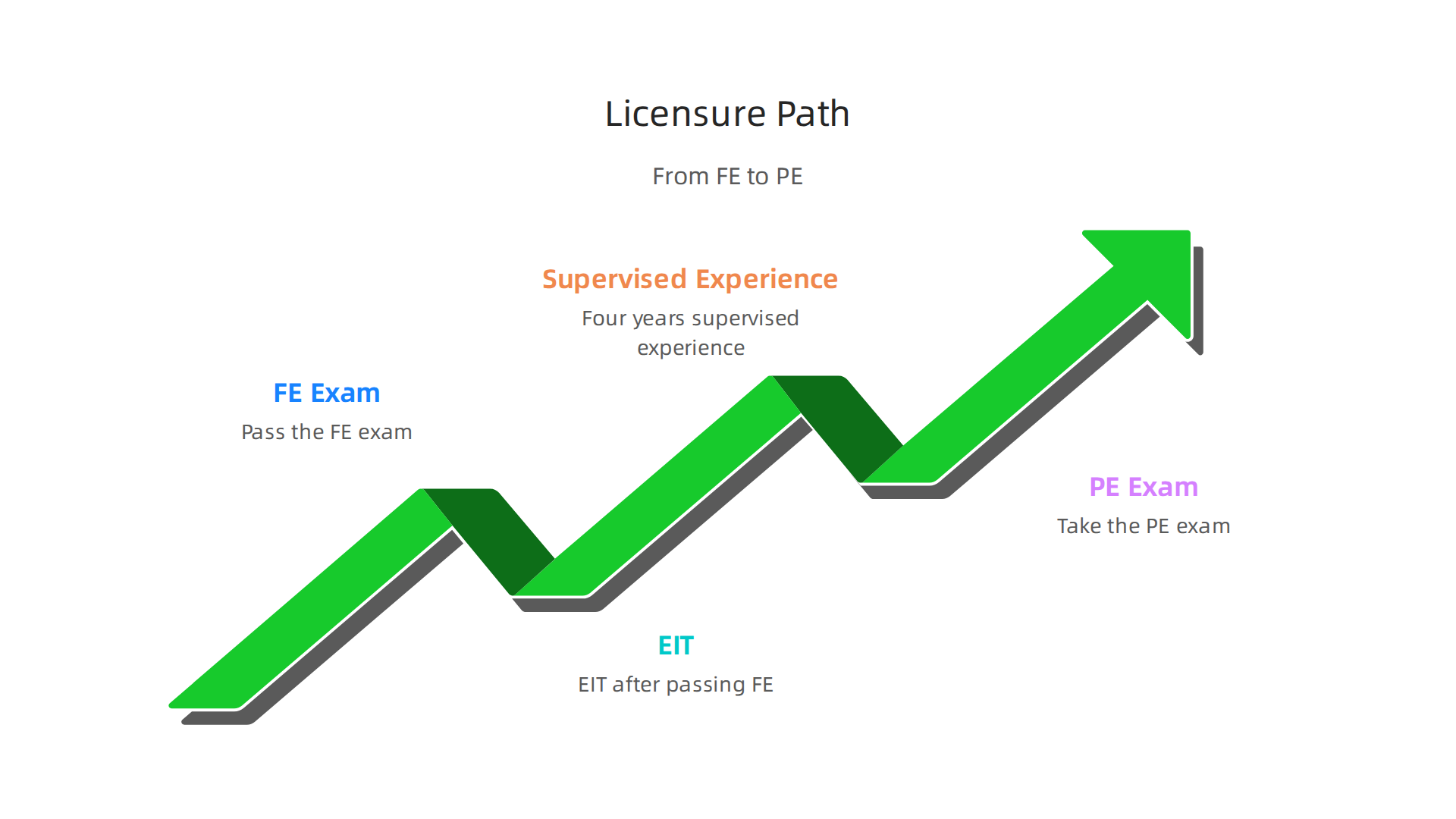
Passing it unlocks higher level roles and bigger paychecks. Many engineers with a PE license earn six figures.
Here is another perk. The US has reciprocity agreements with the UK, Canada, Australia, and New Zealand. That means your license can travel with you. If you want a remote career, having a PE opens doors to flexible roles. You can even use your engineering skills to build a career pipeline into other high paying remote jobs.
Case Study: From Appointment Setter to Structural Engineer
Imagine working from home booking meetings but wishing you could design the buildings those meetings happen in. That was James. After three years as an appointment setter, he decided to pursue a masters in civil engineering online through Purdue’s top-ranked program. He kept his remote job during the day and studied at night. The hardest part? Staying consistent. James used online study groups and LinkedIn to connect with alumni and industry mentors. Within 2.5 years, he earned his degree, passed the PE exam, and landed a structural engineer role. His salary jumped by 40%. The takeaway? Your current sales support background can be a launchpad, not a limit. Many of the skills you already have, like persistence and communication, transfer directly. If you want to pivot, start by turning your door-to-door sales experience into a remote role as a stepping stone.
Summary
This article walks appointment setters through a practical path to switch into civil engineering via an online master’s degree. It explains why civil engineering offers steadier pay, clearer promotion tracks, and licensure (EIT/PE) while showing how remote and hybrid engineering roles are expanding. The guide covers program formats, timelines, costs, and how non-engineering graduates can qualify through prerequisite courses or bridge programs. You’ll learn which technical and soft skills matter (AutoCAD, Revit, BIM, project management), how to verify ABET and regional accreditation, and the licensure steps after graduation. The piece also gives a three-step roadmap—research programs, complete prerequisites, apply and secure aid—plus networking, internship, resume, and interview tactics to turn your degree into a remote engineering role. By the end you’ll have concrete next steps to keep working while you study and a clear plan to transition into engineering.

Become a Sales Operations Analyst Without Cold Calls in 2026

Graphic Design Portfolio Examples That Help Appointment Setters Get Hired