
Unlock High-Paying Remote Jobs with the Best Appointment Setter Courses
· 27 min read

Introduction
Have you ever thought about a job where you can work from anywhere and help businesses grow? That is exactly what an appointment setter does.

It is a fast-growing remote career in sales support, and the demand for skilled people is high right now.
Companies everywhere need professionals who can find potential clients, start conversations, and schedule important sales meetings. According to a 2025 job description template from Upwork, key duties include lead generation and scheduling appointments. This role is the engine that keeps sales pipelines full. Experts note that appointment setters need a unique skill set combining communication finesse, strategic thinking, and adaptability. Even with shifts in the job market, sales occupations still project about 1.8 million openings each year, according to the latest Bureau of Labor Statistics data. This means real opportunity.
But here is the common struggle. Most job seekers get stuck at the very first step: training. The internet is flooded with confusing advice, questionable "get-rich-quick" schemes, and courses that do not deliver real value. It is hard to know where to find legitimate professional development courses and a clear path to actually getting hired.
That is why we created this guide. Think of it as your trusted map through the noise. Inside, you will find a carefully researched course list designed for real professional development. We have done the hard work of evaluating online courses for professional development in appointment setting, so you do not have to waste time or money. This is more than just a list of certificate courses. It is a complete framework that shows you what skills to learn, which online courses for personal development are worth it, and how to build a career that lasts.
Let us find the right training and start your journey.
Understanding the Appointment Setter Role: More Than Just Scheduling
Before you jump into any course list, you need to know exactly what you are training for. An appointment setter is not just a scheduler. Think of them as the crucial first point of contact, the person who fills the sales pipeline so that closers can do their job. Their main goal is to find potential customers, start a conversation, and book a qualified meeting for a sales executive.
According to a 2026 job description template, the key responsibilities still focus on lead generation and scheduling appointments. This means researching leads on social media, crafting messages, making calls, and managing calendars to ensure the right people are talking at the right time.
How Is This Different from a Sales Job?
This is a common question. A traditional salesperson is responsible for the entire process from first contact to closing the deal. An appointment setter has a more focused mission. They are specialists in the first step: generating interest and securing a time to talk. They do not negotiate contracts or discuss pricing in detail. Their success is measured by the number of qualified meetings they book, not by direct sales. This makes the role perfect for people who enjoy connecting and communicating but prefer to avoid the high-pressure closing stage.
The Core Skills That Make You Valuable
To be successful, you need a specific mix of abilities. Experts point out that appointment setters require a unique skill set combining communication finesse, strategic thinking, and adaptability. Let us break that down.
- Communication & Active Listening: You are not reading a script. You are having real conversations to understand a potential client’s needs and see if there is a good fit.

This requires excellent verbal skills and the ability to listen closely.
- Organization & Time Management: You will be juggling multiple leads, follow-ups, and calendars across different time zones. Staying organized is non-negotiable.
- Resilience & Persistence: You will hear "no" often. The ability to stay positive and keep going is what separates top performers from the rest.
- Basic Tech Savviness: You will use customer relationship management (CRM) software, email platforms, and social media tools daily.
Why Businesses Need This Role (And Why It’s a Great Career)
For companies, a skilled appointment setter is a force multiplier. They allow expensive sales executives to spend their time in sales conversations instead of looking for them. This makes the entire sales process more efficient and profitable. This demand translates into real opportunity. While the job market shifts, the Bureau of Labor Statistics notes that sales occupations still project about 1.8 million openings each year, and specialized support roles like appointment setting are a key part of that ecosystem.
For your career, this role offers incredible flexibility. It is often performed remotely, meaning you can work from anywhere. It is a fantastic entry point into the world of sales and marketing, with clear paths for advancement into roles like Sales Development Representative (SDR) or account management. Because the skill is specialized, getting the right training from professional development courses can set you up for long-term success.
Now that you understand what the job truly entails, you can better evaluate which online courses for professional development will actually teach you these valuable skills. Let us find the training that matches the reality of the role.
The Skills Gap: Why Formal Training is Essential
You know what skills an appointment setter needs. That is the easy part. The hard part is actually building those skills to a professional level. This is where most beginners and career switchers hit a wall. They have the desire, but they lack the proven methods. This gap between knowing and doing is exactly why a structured course list is so valuable.
Let us break down the skills again, but this time, let us look at where people usually fall short.
The Non-Negotiable Skill Mix
Success requires both "soft" people skills and "hard" technical abilities. A good appointment setter position demands excellent communication, active listening, time management, and organizational skills. This is the foundation.
- Communication & Active Listening: It is not just about talking. It is about guiding a conversation to discover needs. Many beginners struggle to move past a script or handle unexpected objections smoothly.
- Resilience & Persistence: You will hear "no" constantly. Without training, this can quickly lead to burnout. Learning how to handle rejection without taking it personally is a trained skill.
- Organization & Tech Savviness: Juggling leads in a CRM, managing calendars across time zones, and tracking follow-ups is a complex dance. A common mistake is trying to use basic tools like spreadsheets or email alone, which does not scale. You need to understand professional tools.
Where Beginners and Career Switchers Typically Struggle
If you are new, you likely have gaps in several areas. Knowing this helps you pick the right training.
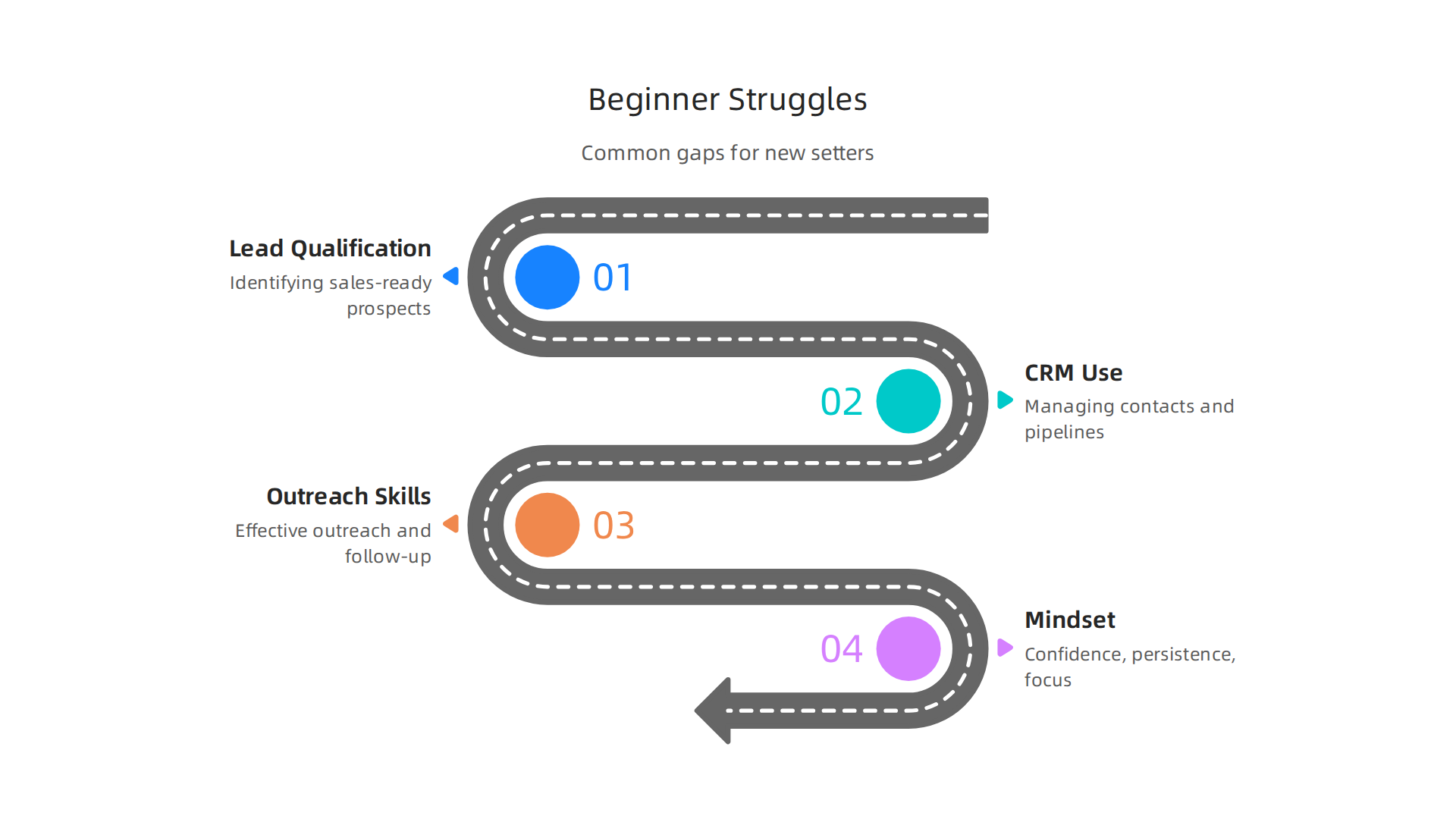
- Lead Qualification: You might get someone on the phone, but how do you quickly know if they are a good fit for a sales meeting? This requires intuition and basic people skills to assess the opportunity, which is not innate for everyone.
- Using a CRM: Customer Relationship Management software is the backbone of the job. Most online courses for personal development will include practical CRM training, which is something you cannot easily learn by just watching a few videos.
- Structuring Outreach: What do you say in a cold email or LinkedIn message? How many times do you follow up? Without a proven framework, your outreach can feel spammy or just get ignored.
- Professional Mindset: Treating this as a real profession, not just a "gig," changes everything. It affects how you communicate, manage your time, and present yourself to clients.
Bridging the Gap with Targeted Learning
This is where a focused training program shines. The right professional development courses do not just list skills. They build them through a clear path.
A quality course will have learning objectives that directly map to career readiness. For example:
- Objective: "Master lead qualification frameworks." -> Career Ready: You stop wasting time on bad leads and book more qualified meetings.
- Objective: "Become proficient in a major CRM platform." -> Career Ready: You can start a job on day one without lengthy onboarding.
- Objective: "Develop a resilient mindset for sales rejection." -> Career Ready: You maintain high performance and avoid burnout.
Training turns theoretical knowledge into muscle memory. It gives you scripts, templates, and systems so you are not starting from zero. For a deep dive into applying these skills in the real world, check out our guide on how to ditch useless websites and book more meetings.
Think of it this way. You would not try to be a mechanic by just reading about engines. You need to get your hands on the tools. Formal training provides the guided practice you need to become proficient, fast. It closes the skills gap that stands between you and your first successful appointment setting role.
Now, with a clear understanding of the skills you need to develop, you are ready to evaluate the actual training options. Let us look at what to search for in a great online courses for professional development program.
How to Choose the Right Course: Evaluation Criteria You Can Trust
You know you need a structured course list to bridge the skills gap. But with so many options, how do you pick the right one? The wrong choice wastes your time and money. The right choice fast-tracks your career.
Here is a simple, trustworthy framework to evaluate any online course for professional development. Use these four criteria to cut through the hype.
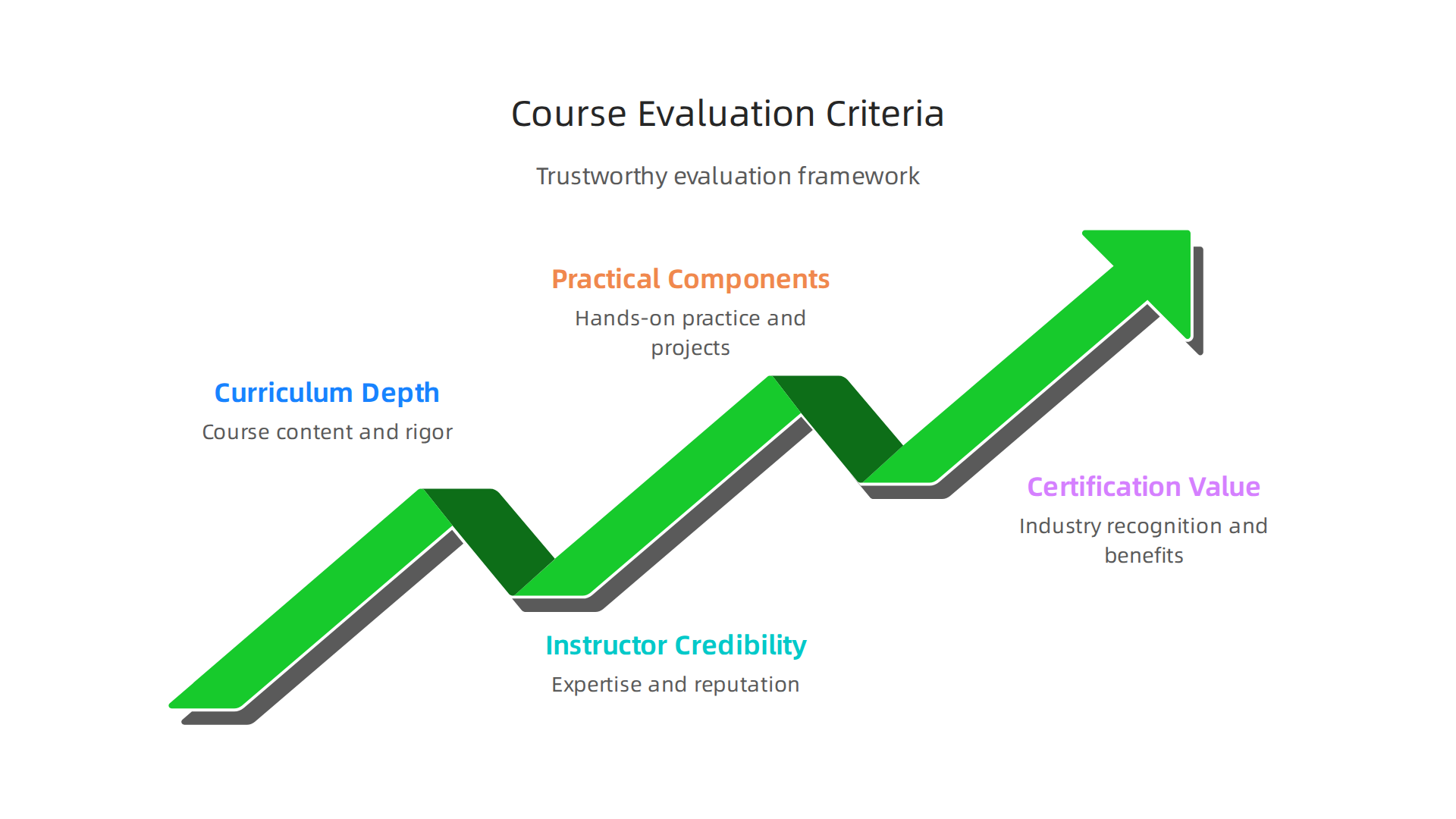
1. Curriculum Depth: Beyond the Basics
A quality program does more than list skills. It builds them in a logical order. Look for a curriculum that maps directly to the daily work of a modern appointment setter.
The course should dive deep into must-have skills like lead qualification, active listening, and objection handling. It should also cover modern tools and trends. For example, the best appointment setters in 2026 blend human skill with smart technology. Does the course touch on using AI tools effectively or the importance of a good user experience in your outreach? Our article on UX design for appointment setters explains why this modern skill matters.
2. Instructor Credibility: Learn From Doers, Not Just Teachers
Who is teaching the course? Credibility is everything. The instructor should have a proven track record in appointment setting or sales development, not just in teaching.
Look for bios that show real-world experience. Do they share specific results, like team quotas crushed or businesses grown? A great sign is an instructor who still works in the field or consults with top firms. This ensures the training is grounded in what works right now in 2026, not outdated theories.
3. Practical Components: Theory is Useless Without Practice
You learn by doing. The most effective training programs focus on practical experience as much as theoretical learning.
A strong course will include:
- Realistic role-play exercises or simulations.
- Templates for cold emails, call scripts, and LinkedIn messages.
- Hands-on projects with real CRM software.
- Feedback on your outreach from instructors or peers.
This practical focus is what turns knowledge into a bookable skill. For more on applying these skills to actually get meetings, see our guide on how to ditch useless websites and book more meetings.
4. Certification Value: Will It Open Doors?
A certificate course can be valuable, but not all certificates are equal. Ask what the certification actually signifies to employers.
A good certificate proves you have mastered a specific skill set, like CRM management and professional outreach. Check if the certifying body is recognized in the sales industry. Sometimes, a robust portfolio of completed projects is more impressive to a hiring manager than a certificate from an unknown source.
Red Flags to Avoid
Be wary of courses that:
- Promise unrealistic outcomes like "Get rich in 30 days with no effort."
- Lack clear information about the curriculum or instructor background.
- Have no samples, free previews, or money-back guarantees.
- Focus only on motivational hype without teaching concrete systems.
Your Course Comparison Checklist
Use this simple table to compare your top options side-by-side.
| Criteria | Question to Ask | Notes for Course A | Notes for Course B |
|---|---|---|---|
| Curriculum | Does it cover lead qual, CRM, outreach, & modern (2026) trends? | ||
| Instructor | Do they have verifiable, recent success in the field? | ||
| Practical Work | Are there exercises, templates, and real tool practice? | ||
| Certification | Is the certificate recognized or does it showcase real skill? | ||
| Transparency | Can I see a syllabus or preview before I buy? |
Choosing the right training is your next critical step. It is the bridge between knowing what to do and knowing how to do it well. A great professional development course gives you the confidence, the scripts, and the systems to succeed from day one.
A Comprehensive Course List for Appointment Setters: Categories and Providers
Now that you know how to evaluate a course, let’s look at the landscape. A good course list should show you where to find the right training for your specific needs. You are not looking for just any class. You are looking for the one that matches your career stage and goals.
Here is a breakdown of the main types of online courses for professional development for appointment setters, the providers you might find, and who each category is best for.
1. Foundational Skills & Core Methodology
This is where most beginners start. These courses build the absolute essentials from the ground up. They cover the classic skills every setter needs to book a meeting.
- What You’ll Learn: Lead qualification, cold calling and emailing basics, introduction to CRM use, active listening, handling common objections, and time management. A strong foundational program, like the one highlighted by SalesRoads, will drill these must-have skills.
- Sample Providers & Course Attributes: Look for academies linked to sales training companies or established B2B marketing firms. Their courses often include structured modules, video lessons, and basic scripting templates. The goal is to give you a reliable, repeatable system.
- Best For: Total beginners, career switchers, or anyone who feels their skills are scattered and needs a solid base. This is the essential first step in your professional development courses journey.
2. Advanced Techniques & High-Ticket Setting
Once you have the basics down, you can move to advanced training. This focuses on booking higher-value appointments for more expensive services or products. It is less about volume and more about precision.
- What You’ll Learn: Advanced prospect research, crafting personalized multi-channel outreach sequences, navigating complex buyer committees, handling sophisticated objections, and building value before the meeting. As noted in guides on becoming a high-ticket setter, personalized outreach is key.
- Sample Providers & Course Attributes: These are often offered by specialized sales academies or successful high-ticket setters who now teach. Look for courses like "Mastering High-Quality B2B Appointment Setting" from platforms such as Aladdin Academy. They typically include deep-dive case studies, advanced scripting frameworks, and direct feedback on your outreach.
- Best For: Setters with 6-12 months of experience who want to move upmarket, increase their commission value, and work with bigger clients.
3. Tool-Specific & Technical Training
In 2026, being tech-savvy is non-negotiable. These courses teach you how to use specific software that modern setters rely on every day.
- What You’ll Learn: How to use popular CRM platforms (like Salesforce, HubSpot, or Zoho) for appointment setting tasks. You might also learn specific sales engagement tools (like Outreach, Salesloft, or Apollo) for automating and tracking sequences. This category also includes training on using AI prospecting tools and analytics dashboards.
- Sample Providers & Course Attributes: The best training often comes from the software companies themselves (official certification paths) or from independent instructors who specialize in that tool. A great course provides actual logins for a sandbox environment so you can practice hands-on. For insights on how tools and human skill blend, the discussion on the future of B2B appointment setting is useful.
- Best For: Setters who are comfortable with core skills but need to master the tech stack required for modern, data-driven roles. It is also perfect for those applying to jobs that list specific software requirements.
4. Specialized Niches & Certification Prep
This category helps you stand out in a specific industry or earn a formal credential. It combines skill-building with niche knowledge or exam preparation.
- What You’ll Learn: Industry-specific terminology, compliance rules (like in finance or healthcare), and how to find and talk to prospects in that vertical. Certificate courses in this category prepare you for a recognized exam, validating your skills in areas like CRM management and professional outreach.
- Sample Providers & Course Attributes: Offered by industry associations, niche consulting firms, or specialized training institutions. They often conclude with a final project or proctored exam. The value is in the recognized credential or the deep niche expertise.
- Best For: Setters aiming for roles in a specific industry (SaaS, medical devices, etc.) or those who want a formal certificate to boost their resume and credibility.
Choosing Your Path: A Quick Guide
| Your Career Stage | Recommended Category | Your Primary Goal |
|---|---|---|
| Just Starting Out | Foundational Skills & Core Methodology | Learn the reliable basics to get your first role. |
| Ready to Level Up | Advanced Techniques & High-Ticket Setting | Book higher-value appointments and increase your income. |
| Strong on Skills, Weak on Tech | Tool-Specific & Technical Training | Master the software required for top 2026 job listings. |
| Targeting a Specific Industry | Specialized Niches & Certification Prep | Gain niche knowledge or a credential to stand out. |
Remember, the best online courses for personal development are the ones that match where you are now and where you want to go next. Whether you choose a broad foundational program or a niche certificate course, use your evaluation checklist from the previous section to make a confident choice. The right training is your fastest path to booking more meetings and building a career that lasts. For a modern skill that more setters are adding to their toolkit, see our guide on how UX design can boost your appointment setting career.
What to Expect: Deep Dive into Course Content and Structure
You have seen the categories in the course list. Now you might wonder, what will I actually learn inside? The best online courses for professional development are built like a blueprint for the job. They are not just a collection of videos. They are a step by step plan to build the skills you will use daily. Here is a breakdown of what you should expect to find in a well structured program.
Typical Course Modules: The Building Blocks
Think of each module as a core piece of your job. A comprehensive course will walk you through each one.
- Prospecting and Lead Research: This is your starting line. You will learn how to find the right people to talk to. Good courses teach you to use tools like LinkedIn Sales Navigator and how to research a company to find your ideal prospect.
- Script and Message Writing: You will not just get a script to memorize. You will learn frameworks for writing cold emails, crafting LinkedIn messages, and having opening conversations for phone calls. The goal is to sound natural, not robotic. As highlighted in guides on how to become an appointment setter that stands out, the ability to hold a meaningful conversation is key.
- CRM and Tool Use: In 2026, this is a must. A good course will have a module dedicated to using a Customer Relationship Management system. You will learn how to log calls, update lead status, and track your pipeline.

Some programs, like those from Aladdin Academy, are designed to equip you with these necessary technical skills.
- Objection Handling: This is where theory meets practice. You will learn the common reasons people say "no" and how to respond in a way that keeps the conversation moving forward. Training from sources like SalesRoads emphasizes that handling objections is a core must have skill.
- Metrics and Tracking: To improve, you need to measure. A strong course will teach you the key numbers to watch. This includes your call volume, connection rate, and appointment set rate. You will learn what these numbers mean and how to use them to get better.
Theory Meets Practice: The Learning Balance
The most effective courses do not just talk at you. They get you to do the work. As noted in resources on mastering virtual appointment setter training, the best programs focus on practical experience as much as theoretical learning.
Here is how a good course balances this:
- Teach the Concept: A short video or reading explains a skill, like how to write a subject line that gets emails opened.
- Show an Example: You see a real world example of a high performing email.
- Hands On Project: You are given a task to write your own subject lines for different types of prospects.
- Get Feedback: In the best programs, you submit your work and get feedback from an instructor or a peer community. Some courses, like the Appointment Setter Course from Elevify, are built around giving you practical skills you can use immediately.
This cycle of learning, doing, and reviewing is what makes the skills stick. It moves you from knowing what to do, to actually being able to do it.
Aligning with Real World Jobs
A great course mirrors a real workday. When you finish, you should not feel like you took a general sales class. You should feel ready to sit down at a computer and start your first day.
- Tool Training: The course uses software that real companies use, like Salesforce, HubSpot, or Outreach. You might even practice in a demo account.
- Realistic Tasks: Your projects will feel like actual work assignments. For example, "Research 10 prospects in the SaaS industry and build a target list with your reasons for contacting them."
- Modern Skills: The content is updated for 2026. This includes how to use AI tools to help with research, how to navigate video meeting platforms, and how to build a personal brand online to attract leads. For setters looking to add a cutting edge skill, understanding principles from fields like UX design can be a powerful career boost.
When you review a course list, look for this structure. The right professional development courses will give you a clear map from lesson one to your first booked meeting. They prepare you for the tools, the tasks, and the pace of the real job.
Career Pathways and Success Stories: From Training to Earning
You have seen what a great course list teaches you. Now, let us talk about what happens next. Where does this training actually lead? The right professional development courses are not the end of the road. They are the beginning of a real career with clear steps forward.

Here is a typical path you can follow after completing your training.
The Appointment Setting Career Ladder
- Entry Level Setter (0 2 years): This is your launchpad. You focus on mastering the basics from your online courses for personal development. You make calls, send emails, and learn to handle rejection. According to 2026 data, entry level salaries often start around $37,500 to $42,000, with hourly roles paying about $24 per hour on average. Your main goal is to build consistency and hit your activity metrics.
- Senior Setter or Specialist (2 4 years): With proven results, you move up. You might handle more valuable leads or complex products. Your pay reflects this. Salary data shows mid level setters can earn between $76,000 and $89,000. At this stage, you are not just following a script. You are refining your own approach and maybe even mentoring new hires.
- Team Lead or Sales Development Rep (SDR) Manager (4+ years): Here, you shift from doing to leading. You manage a small team of setters, run training sessions, and track team performance. This role leverages all your experience and often comes with a significant salary boost and bonuses.
- Beyond Setting: The skills you learn are a springboard. Many setters move into full cycle sales roles, account management, or marketing. The communication and hustle you develop are valuable everywhere. For example, learning adjacent skills like UX design can open unexpected and high value doors.
Real Success Stories
While everyone’s journey is different, here are the kinds of stories we see from people who take the right training seriously.
- From Retail to Remote: "Alex" worked in store management. After taking a comprehensive virtual training course, he landed a remote setter job. Within 18 months, his consistent performance led to a promotion to a senior role, doubling his initial income.
- The Fast Track: "Sam" started as an entry level setter at a tech startup. By using the advanced tool and CRM strategies from her certificate courses, she quickly stood out. She was promoted to a team lead position in under three years, now earning a base salary well over $90,000.
- The Career Pivot: "Jordan" was in customer service. They used appointment setter training to break into sales. Starting with a lower base pay but high commission, they focused on mastering objection handling. By year two, they were consistently earning over $80,000 and transitioned to a full time sales executive role.
What Speeds Up Your Career?
Your progress is not just about time. It is about strategy. Here are the factors that put your career on the fast track.
- Performance is King: Your set rate and call quality are your most important metrics. Companies promote people who deliver results.
- Continuous Learning: The best setters never stop training. They learn about new tools, follow sales methodologies, and improve their communication. Using tools to work smarter, like learning to master productivity with simple progress bars, can make a big difference.
- Specialization: As you gain experience, specializing in an industry (like SaaS, finance, or healthcare) can make you more valuable and command higher pay.
- The Right Company: Work for a company that values growth. Job descriptions in 2026 often highlight "rapid advancement" and "we promote from within." This culture is crucial for moving up.
- Adapting to Change: The field is growing, with about 6% job growth projected. But it is also changing. Understanding how to work with AI tools, rather than be replaced by them, is a key skill for 2026 and beyond.
The journey from your first training module to earning a strong income is a clear path. The online courses for professional development give you the map and the tools. Your effort and strategy determine how quickly you travel. For a deeper look at the daily habits that drive success, explore our guide on how to ditch useless tactics and book more meetings. Your career story starts with choosing the right course list and writing the first chapter with action.
Your Action Plan: Steps to Go from Learning to Landing Your First Role
You have learned a lot about what makes a great appointment setter and the paths you can take. Now, let’s talk about turning all that learning into a real job. Here is your simple plan to go from finishing your training to landing your first exciting role.
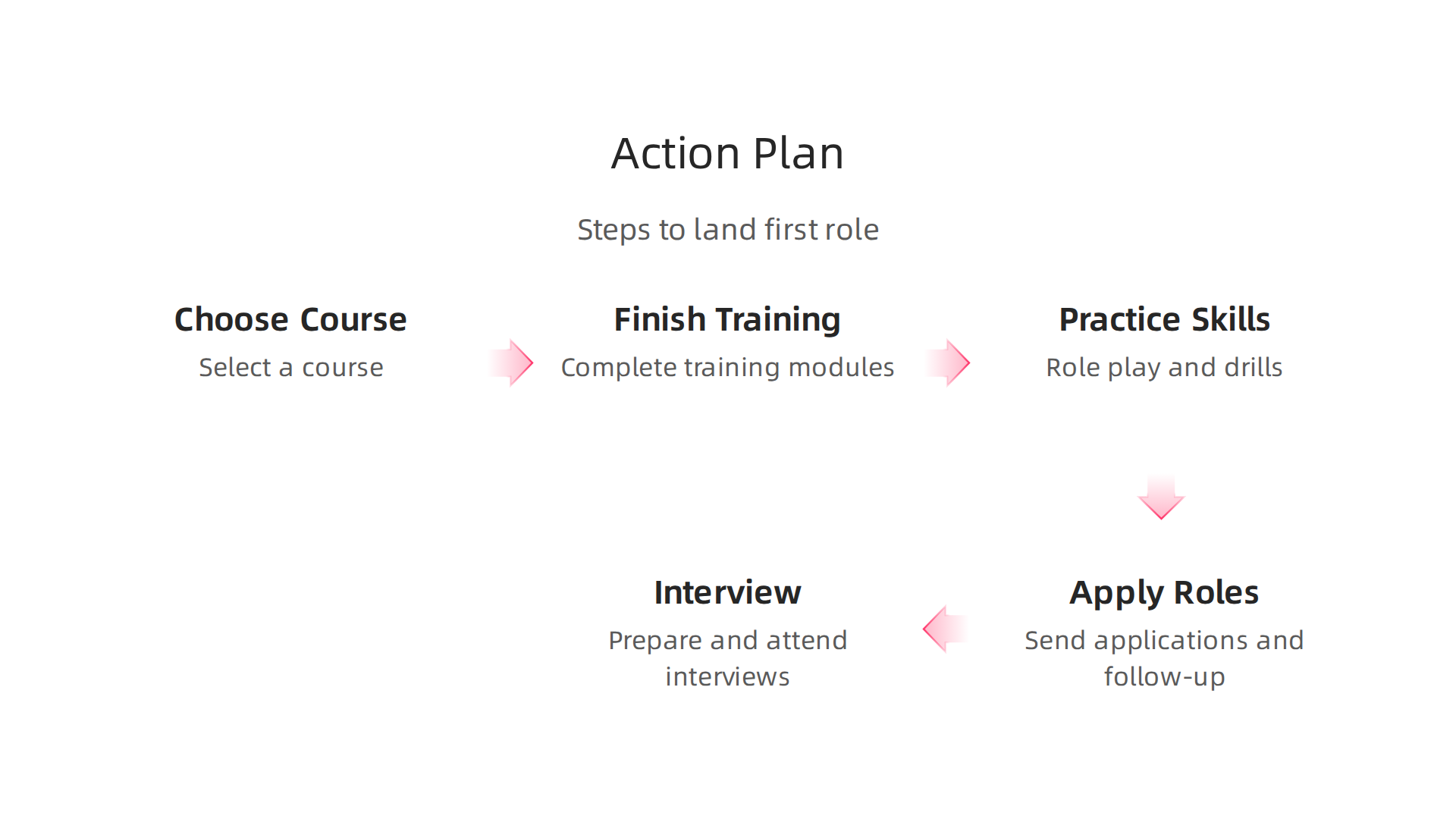
Step 1: Choose the Best Course List
First things first, make sure you pick the right "course list" to learn from. Good "online courses for professional development" will teach you the basics and more. Look for training that covers:
- Calling and Emailing: How to talk to people clearly and write good messages.
- Handling No’s: What to do when someone is not interested.
- Using Tools: How to use computer programs that help you keep track of calls and appointments.
- Finding Leads: Ways to find new people to reach out to.
These "certificate courses" give you the foundational knowledge you need. Think of them as your map.
Step 2: Practice, Practice, Practice
Just learning is not enough. You need to do it.
- Role-Play: Ask a friend or family member to pretend to be a customer. Practice your scripts and how you would answer questions. The more you do this, the more comfortable you will feel.
- Record Yourself: Talk into your phone’s voice recorder. Listen back. What sounds good? What can you say better?
- Learn from Others: Watch videos of good appointment setters. How do they talk? What words do they use?
- Apply Daily Habits: To truly get better at booking meetings, focus on smart daily actions, not just busy work. Our guide on how to ditch useless tactics and book more meetings can help you learn what works best.
Your "online courses for personal development" teach you the skills. Practicing makes them stick.
Step 3: Show What You Can Do (Build Your ‘Portfolio’)
Even without a paid job, you can show you are ready.
- Practice Log: Keep a simple log of your practice calls or emails. Note what you did well and what you learned. This shows effort.
- Testimonials: If you helped a friend or small business set practice appointments, ask them to say a few good words about your effort.
- Personal Projects: Maybe you can find a small local business that needs help setting a few meetings for free. This gives you real-world experience to talk about. Some job descriptions for 2026 roles even mention "successfully completes the Appointment setter Training courses" as a requirement when applying, showing that your training is a key part of your readiness 2026
.
Step 4: Search for Your First Job
Now it’s time to find a job.
- Look Online: Websites like ZipRecruiter and Indeed are great places to start. Search for "appointment setter," "remote setter," or "sales development representative."
- Keywords to Look For: Many companies in 2026 are looking for remote workers. Look for terms like "remote opportunity," "work from home," or "virtual."
- Read Job Descriptions: Pay close attention to what the job asks for. Does it match what you learned in your "professional development courses"? Some entry-level roles expect you to "generates sales through calling company leads and setting appointments," right after completing training 2026.
- Target Companies: Think about industries you find interesting. Tech companies, real estate, and financial services often hire appointment setters.
Step 5: Get Ready for Interviews
Once you get an interview, here is how to shine.
- Dress Smart, Even at Home: If it’s a video call, make sure you look neat and tidy.
- Find a Quiet Spot: No barking dogs or loud music. A clean background is best.
- Check Your Tech: Make sure your internet, camera, and microphone work well before the call.
- Practice Answers: Think about why you want to be an appointment setter and what makes you good at talking to people. Show how your "course list" prepared you.
- Ask Questions: Always have a few questions ready to ask the interviewer. This shows you are interested and thoughtful.
Following these steps will help you take all that valuable knowledge from your training and turn it into a successful new career. You have got this!
Summary
This guide explains what an appointment setter does, why the role matters to modern sales teams, and how structured professional development closes the skills gap between knowing and doing. It reviews the core skills employers want — communication, lead qualification, CRM use, persistence, and organization — and shows where beginners typically struggle. You’ll get a four-point framework to evaluate online courses (curriculum depth, instructor credibility, practical components, certification value), a categorized course list for different career stages, and a clear breakdown of typical module content and hands-on exercises. The article also outlines career pathways, realistic salary ranges, and a practical action plan to practice skills, build a portfolio, search for roles, and succeed in interviews. After reading, you’ll know how to pick training that prepares you to book qualified meetings and start a paid appointment-setting role.